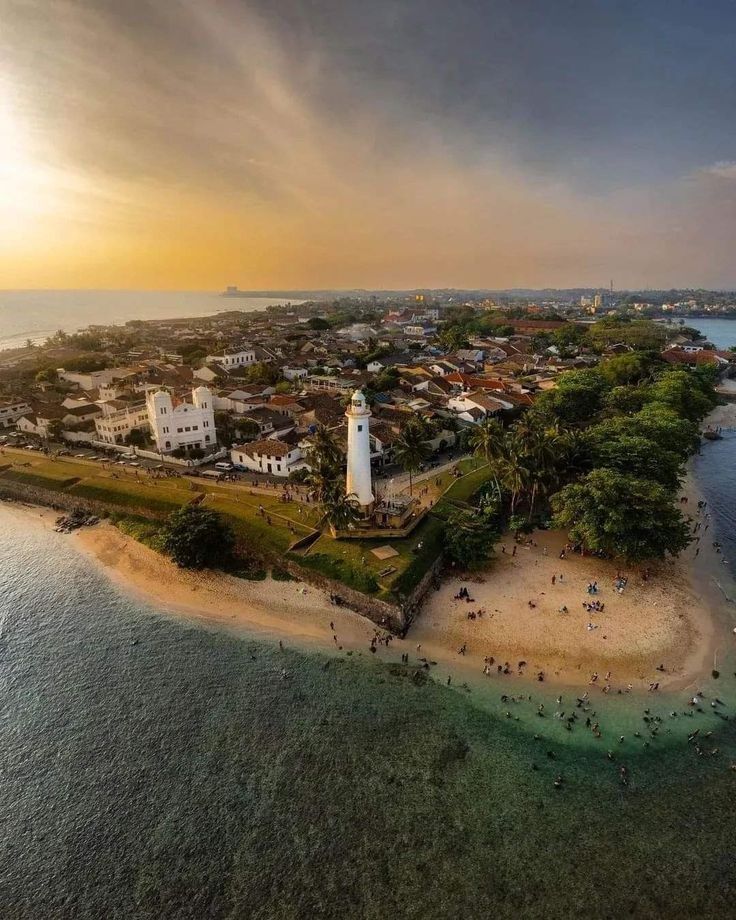
Thalpe Beach, Sri Lanka | Natural Rock Pools Near Galle
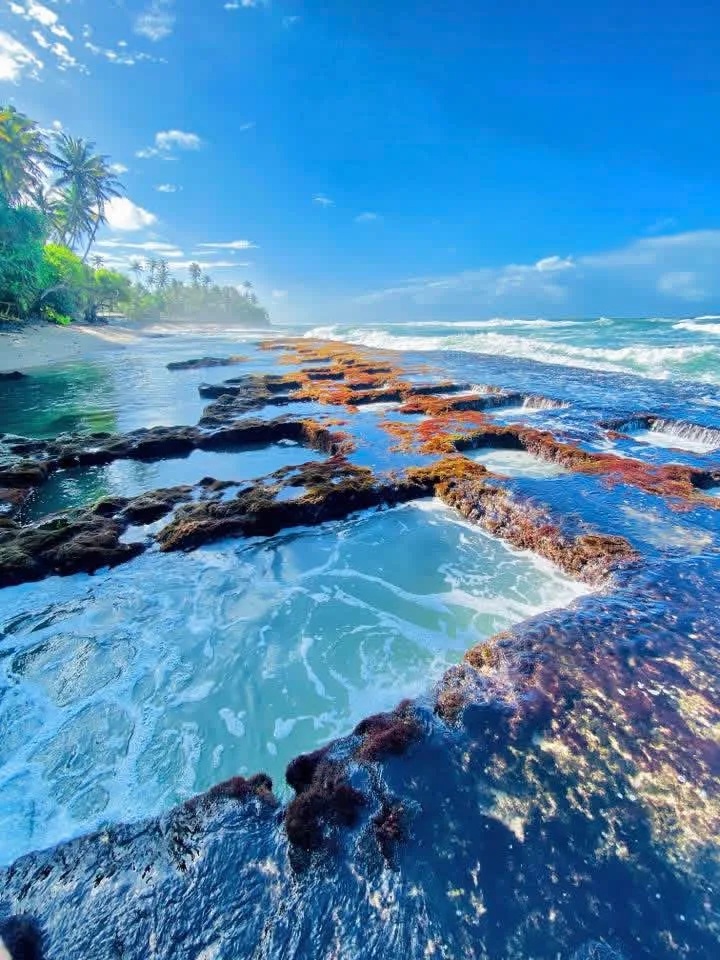
Located along Sri Lanka’s beautiful southern coast between Galle and Koggala, Thalpe Beach is a peaceful coastal escape best known for its distinctive coral rock pools. Unlike the wide sandy beaches found elsewhere along the south coast, Thalpe has a rugged reef shoreline where a series of rock pools fill with seawater as the tide changes.
The pools are the main reason many travellers visit Thalpe. They were traditionally used by local villagers for soaking coconut husks as part of the coconut coir industry and have since become one of the area’s most photographed coastal attractions.
Thalpe is quieter than nearby Unawatuna and makes an excellent stop for travellers looking for beautiful coastal scenery, photography and a more relaxed side of southern Sri Lanka.
The Thalpe Natural Rock Pools
The distinctive rock pools are carved into the coral reef along the shoreline. Their almost rectangular shapes make them look surprisingly artificial, although they are part of the traditional coastal landscape of the area.
At low tide, seawater remains inside the pools while parts of the surrounding reef become exposed. This creates the calm, turquoise pools that Thalpe is famous for.
The appearance of the pools changes with the tide and season. Sand can accumulate inside some pools during parts of the year, which can make the characteristic rock formations less visible.
For this reason, timing your visit can make a significant difference to the experience.
Best Time to Visit Thalpe Beach
There are two things to consider when planning a visit to Thalpe: the season and the tide.
The south coast generally has its best beach conditions during the drier months, roughly from November to April. The sea is often calmer during this period, making it a better time to explore the rock pools.
For the distinctive Thalpe pools themselves, March and April can be particularly rewarding, as the pools are often more visible before seasonal sand accumulation becomes a bigger issue.
Regardless of the month, check the tide before visiting. The pools are best explored around low tide, when more of the rock formations are exposed and the water inside the pools is generally calmer.
What Is the Best Time of Day?
Early morning is our preferred time to visit Thalpe.
Morning visits usually offer:
- Cooler temperatures
- Softer light for photography
- Fewer visitors
- A more peaceful atmosphere
- Better conditions for exploring the exposed rock pools
Late afternoon can also be beautiful, especially for photography and sunset, but always check the tide and sea conditions before going onto the rocks.
Can You Swim in the Thalpe Rock Pools?
You can enter some of the rock pools when conditions are calm and the tide is low, but do not assume that every pool is safe for swimming.
The surrounding coral rocks can be sharp and extremely slippery, while waves can suddenly wash over the reef. Conditions can change quickly as the tide rises or the sea becomes rough.
If the waves are breaking strongly over the pools, stay out of the water.
The open sea beyond the reef should be treated with even greater caution because currents and waves can be much stronger than they appear from the shore.
Thalpe Beach Safety
Thalpe is a natural coastal environment rather than a managed swimming pool, so visitors should take responsibility for their own safety.
Keep these points in mind:
- Visit around low tide when conditions are calm.
- Never enter the pools during rough seas.
- Wear reef shoes or footwear with good grip.
- Watch carefully for sharp coral and sea urchins.
- Avoid climbing onto wet rocks.
- Keep children within arm’s reach around the pools.
- Never turn your back on incoming waves.
- Do not swim beyond the reef simply because the water looks calm.
- If local people are avoiding the water, take that as a warning.
- Do not remove coral, shells or marine life.
There may not be lifeguards or full beach facilities directly around the rock pools, so visitors should be prepared before arriving.
How to Get to Thalpe Beach
Thalpe is located approximately 10 kilometres east of Galle, between Unawatuna and Koggala.
From Galle, follow the Galle–Matara coastal road towards Koggala and Matara. Thalpe can normally be reached in around 15–20 minutes depending on traffic.
From Unawatuna, Thalpe is only a short journey along the coast towards Koggala.
From Colombo, take the Southern Expressway towards Galle and continue along the coastal road towards Thalpe.
Tuk-tuks, taxis, buses and private vehicles are all practical options for reaching the area.
When using Google Maps, searching for “Thalpe Beach” or “Talpe Natural Pool” can help you locate the appropriate section of coastline.
Thalpe or Unawatuna?
If you are choosing where to spend time on the south coast, Thalpe and Unawatuna offer quite different experiences.
Choose Thalpe if you want:
- A quieter atmosphere
- Natural rock pools
- Photography
- A less developed beach experience
- Easy access to Galle and Unawatuna
Choose Unawatuna if you want:
- More restaurants and cafés
- More accommodation choices
- A livelier beach atmosphere
- Easier access to organised tourist activities
You don’t necessarily need to choose one. Thalpe is close enough to Unawatuna and Galle that both can easily be included in the same day.
Things to Do Around Thalpe
Thalpe works particularly well as part of a south-coast day trip.
Nearby attractions include:
- Galle Fort – explore the historic UNESCO World Heritage Site
- Unawatuna Beach – one of the south coast’s most popular beaches
- Dalawella Beach – known for its reef-protected waters
- Koggala Lake – a scenic lagoon with boat trips and wildlife
- Jungle Beach – a secluded beach near Unawatuna
- Ahangama – popular for surfing and its relaxed coastal atmosphere
A morning at Thalpe can easily be combined with Galle Fort in the afternoon and dinner around Galle or Unawatuna.
Thalpe Beach for Photography
Thalpe is particularly attractive to photographers because the pools, reef formations, sea and palm-lined coastline create a very different scene from Sri Lanka’s traditional sandy beaches.
Early morning is excellent for photographs because of the softer light and fewer people.
Low tide also exposes more of the reef and makes the geometric shapes of the pools easier to see.
Be careful when positioning yourself for photographs. The rocks can be slippery, and waves can reach further across the reef than expected.
No photograph is worth risking a fall into the sea.
How Long Should You Spend at Thalpe?
Most visitors only need around 1–2 hours to explore the rock pools, take photographs and enjoy the beach.
If you want to relax, swim when conditions are suitable and combine the visit with a meal nearby, you can comfortably spend half a day around Thalpe.
Because it is close to Galle and Unawatuna, Thalpe is also easy to add as a short stop rather than planning an entire day around it.
Thalpe Beach with Children
Families can enjoy Thalpe, but the rock pools require much more supervision than a conventional sandy beach.
The uneven reef, sharp rocks, sea urchins and changing waves mean that parents should stay close to younger children.
If the sea is rough, skip the rock pools and enjoy the beach from a safe distance instead.
For families looking for a calmer and more predictable swimming experience, a sheltered beach with appropriate safety conditions may be a better choice on rough-weather days.
Tips for Visiting Thalpe Beach
- Check the tide before travelling.
- Aim for low tide and calm sea conditions.
- Visit early in the morning for the best atmosphere.
- Wear reef shoes or sturdy water footwear.
- Bring drinking water and sun protection.
- Be careful on wet coral rocks.
- Do not step on sea urchins or other marine life.
- Never enter the water during rough conditions.
- Keep children close to you around the rock pools.
- Take your rubbish with you.
- Leave coral, shells and marine life where you find them.
Is Thalpe Beach Worth Visiting?
Yes, especially if you are looking for something different from Sri Lanka’s more famous sandy beaches.
The unusual coral rock pools are what make Thalpe special. When the tide is low and the sea is calm, the pools create a beautiful combination of turquoise water, exposed reef and coastal scenery.
Its location between Galle and Koggala also makes Thalpe easy to include in a south-coast itinerary.
For the best experience, plan around the tide rather than simply arriving at a convenient time. If you visit during March or April and catch a calm low tide early in the morning, you have a good chance of seeing the rock pools at their most distinctive.
Frequently Asked Questions
Where is Thalpe Beach?
Thalpe Beach is on Sri Lanka’s southern coast, approximately 10 kilometres east of Galle, between Unawatuna and Koggala.
What is Thalpe Beach famous for?
Thalpe is best known for its distinctive coral rock pools along the shoreline. The pools were traditionally associated with the local coconut coir industry and are now a popular photography and bathing spot.
When is the best time to visit Thalpe rock pools?
March and April can be particularly good for seeing the pools clearly, while the broader south-coast dry season from roughly November to April generally offers more favourable beach conditions. Most importantly, try to visit around low tide.
Can you swim in the Thalpe natural pools?
Some pools can be entered when the tide is low and the sea is calm, but conditions can change quickly. Be extremely careful around slippery coral, sea urchins and waves, and never enter during rough seas.
Is Thalpe Beach safe for children?
Children can enjoy Thalpe, but the rock pools require close supervision because of slippery and sharp rocks, sea urchins and changing wave conditions.
How far is Thalpe from Galle?
Thalpe is approximately 10 kilometres from Galle and is normally around a 15–20 minute drive depending on traffic.
How far is Thalpe from Unawatuna?
Thalpe is only a short drive from Unawatuna, making it easy to visit both beaches on the same day.
Is Thalpe Beach crowded?
Thalpe is generally quieter than popular nearby beaches such as Unawatuna, although weekends, holidays and good-weather days can bring more visitors.
Can you surf at Thalpe Beach?
Thalpe is not primarily a surfing destination. Travellers looking for surfing can continue east towards areas such as Weligama and Ahangama, which are better known for surf breaks.
How long should you spend at Thalpe Beach?
Around one to two hours is enough to explore the rock pools and take photographs. You can spend longer if you want to relax and enjoy the surrounding coastline.
Google Maps: https://maps.google.com/?q=Thalpe+Beach+Galle,Sri+Lanka