Galle Port – Galle, Sri Lanka
Galle Port: Discover Sri Lanka’s Historic Harbour
Galle Port is one of Sri Lanka’s oldest natural harbours, located on the island’s beautiful southern coast. Long before modern tourism transformed Galle into a popular destination, this sheltered harbour played an important role in maritime trade, connecting Sri Lanka with merchants and seafarers travelling across the Indian Ocean.
The harbour became a major trading centre during ancient times and grew in importance over the centuries. Ships visiting Galle traded goods such as spices and other valuable commodities, helping establish the city as an important gateway between Sri Lanka and the wider world.
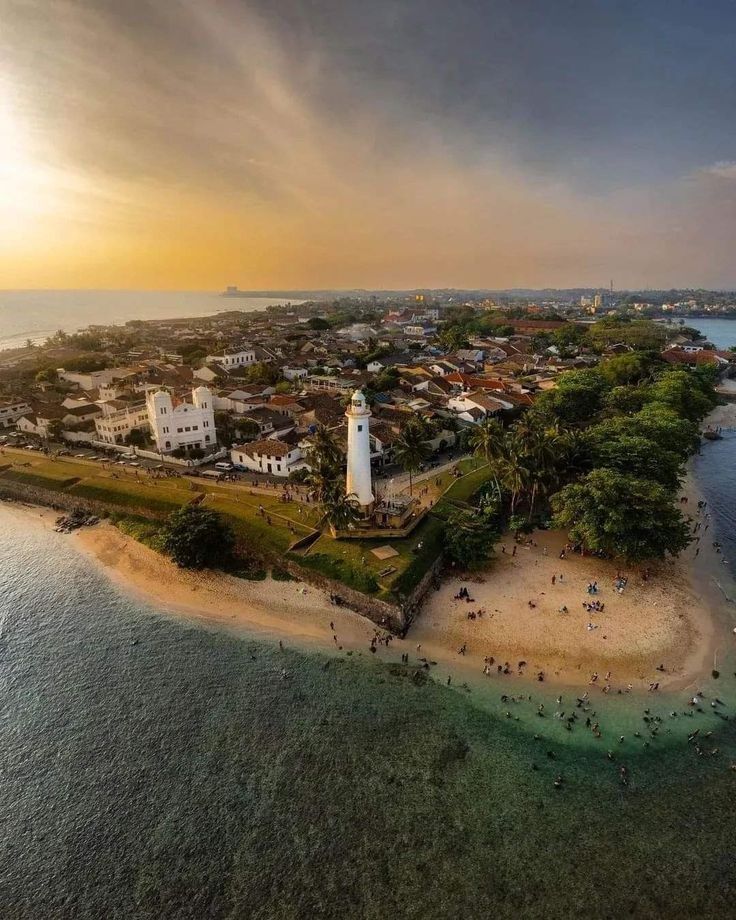
Today, Galle Port remains a working harbour, while the nearby Galle Fort preserves much of the city’s fascinating colonial history. Together, they offer visitors an opportunity to explore Sri Lanka’s maritime heritage, enjoy coastal scenery and discover one of the island’s most historically significant seaside cities.
The History of Galle Port
Galle Harbour has been used since ancient times, gaining greater importance after the 12th century. By the 14th century, it had become one of Sri Lanka’s most important ports and a significant centre for maritime commerce.
Its sheltered natural setting made it a useful stopping point for ships travelling along Indian Ocean trade routes. Merchants and sailors from different parts of the world visited the harbour, contributing to Galle’s long history of international connections.
The arrival of European colonial powers changed the city’s development. The Portuguese established a presence in Galle in the early 16th century, and the Dutch later expanded and strengthened the town’s fortifications. Galle subsequently became an important port for ships travelling between Europe and Asia.
The harbour gradually lost much of its former international prominence after Colombo’s artificial harbour was developed in the late 19th century. Nevertheless, Galle retained its maritime identity and historic character.
The nearby Old Town of Galle and its Fortifications was designated a UNESCO World Heritage Site in 1988, recognising its outstanding historical and architectural importance.
What Makes Galle Port Special?
Galle Port offers a different experience from Sri Lanka’s tropical beaches. Its appeal lies in the combination of maritime activity, coastal scenery and centuries of trading history.
A natural harbour: The sheltered bay has made Galle an important maritime location for generations. Its relationship with the sea continues to shape the character of the city.
A rich trading heritage: The harbour reflects Sri Lanka’s historic connections with international merchants and seafarers. Its story forms part of the island’s wider Indian Ocean trading history.
Pleasure yachts and boats: Galle Port provides facilities for visiting pleasure yachts, adding a modern nautical dimension to its historic identity.
Close to Galle Fort: The nearby fortifications, colonial-era streets and historic buildings make it easy to combine a harbour visit with a cultural walking tour.
Coastal atmosphere: The surrounding coastline offers opportunities to enjoy sea views, photography and relaxed walks around publicly accessible areas.
Best Time to Visit Galle Port
Galle Port can be explored throughout the year, although the weather can affect the comfort of outdoor sightseeing.
For generally favourable conditions along Sri Lanka’s southern coast, December to April is often a good period to plan a visit. Mornings and late afternoons are particularly pleasant for walking around Galle Fort and enjoying the coastal atmosphere.
The southwest monsoon usually brings wetter and rougher conditions during parts of May to September. Rain showers can occur outside this period too, so checking the forecast before your visit is worthwhile.
If you are exploring Galle Fort, allow time to walk along its historic ramparts, discover its narrow streets and stop at viewpoints overlooking the Indian Ocean. These experiences are often more rewarding than simply viewing the harbour from a single location.
Things to Do Near Galle Port
Galle Port is best experienced as part of a wider visit to historic Galle. Several of the city’s most recognisable attractions are nearby.
Galle Fort Ramparts: Walk along the historic defensive walls and enjoy views of the ocean, rocky coastline and old town. Sunset is a particularly popular time to visit.
Galle Lighthouse: Located within Galle Fort, this iconic white lighthouse is one of the city’s most photographed landmarks and a favourite stop for visitors.
Dutch Reformed Church: Discover one of Galle’s historic colonial-era religious buildings and learn more about the city’s European past.
Old Town of Galle: Wander through streets lined with historic buildings, small shops, cafés, galleries and boutique accommodation. The area blends colonial architecture with modern Sri Lankan life.
National Maritime Museum: Explore exhibits related to the region’s maritime history and the relationship between Galle and the sea. Check current opening arrangements before visiting.
Flag Rock: This coastal bastion is a popular viewpoint for watching the waves and enjoying the ocean scenery. Conditions can be rough, so remain behind barriers and away from exposed edges.
How to Get to Galle Port
Galle is located on Sri Lanka’s southern coast, approximately 120 kilometres from Colombo by road, depending on the route.
Travellers arriving from Colombo can reach Galle by road via the Southern Expressway or by taking the coastal railway line from Colombo Fort to Galle. Buses also connect the city with Colombo and other destinations along the southern coast.
Once in Galle, the harbour area and Galle Fort can be reached by tuk-tuk, local transport or on foot from central parts of the city. The historic fort is compact enough to explore on foot, although comfortable shoes are recommended.
Visitor note: Galle Port is an operational port facility, not a public beach or unrestricted tourist attraction. Access to working port areas may be restricted for security and operational reasons. Enjoy the harbour from permitted public viewpoints and follow local instructions.
How Long Should You Spend at Galle Port?
A short stop of around 30 minutes may be sufficient to appreciate the harbour from an accessible viewpoint. However, if you are interested in the history of Galle and its relationship with maritime trade, allow half a day or longer to explore the surrounding attractions.
A full day in Galle gives you time to walk the fort ramparts, visit historic buildings, enjoy the cafés and browse the old town without rushing.
Galle also works well as part of a southern-coast itinerary, especially when travelling between Colombo, Unawatuna, Mirissa and other beach destinations.
Is Galle Port Worth Visiting?
Galle Port is worth including in your itinerary if you are interested in Sri Lanka’s maritime history and the origins of one of its most historic coastal cities. The harbour itself is still a working port, so its visitor experience differs from that of a conventional tourist attraction.
Its real appeal becomes clearer when combined with Galle Fort, the lighthouse and the surrounding old town. Together, these places reveal how centuries of seafaring, trade and colonial influence helped shape Galle into the distinctive destination visitors enjoy today.
For travellers exploring Sri Lanka’s southern coast, Galle offers more than beaches and ocean views. It provides a fascinating glimpse into the island’s connections with the wider world.