Whale Watching in Mirissa, Sri Lanka: Blue Whales, Best Season and Visitor Guide
Whale watching in Mirissa is one of the best-known marine wildlife experiences on Sri Lanka’s southern coast. From the local fishing harbour, boats travel offshore into the Indian Ocean in search of blue whales, sperm whales, dolphins and other marine life.
The experience can be unforgettable, but it is important to plan around the season, understand that sightings are never guaranteed, and choose a boat operator that puts passenger safety and wildlife welfare first.
This guide explains when to go, what you might see, how to prepare for the trip and what to consider before booking.
Where Is Mirissa Whale Watching?
Mirissa is a coastal town in southern Sri Lanka, between Weligama and Matara. Whale-watching excursions generally depart from Mirissa Fisheries Harbour and head offshore towards waters where whales and dolphins may be encountered.
Mirissa is a convenient stop on a southern-coast itinerary. You can combine a morning boat trip with time at Mirissa Beach, a visit to Coconut Tree Hill or a wider journey towards Weligama, Galle and other southern destinations.
Travel tip: If whale watching is a priority, consider spending the previous night in or near Mirissa. This avoids a long early-morning journey on the day of your excursion.
What Marine Animals Can You See?
Blue whales are the main attraction for many visitors because they are the largest animals known to have lived on Earth. Other marine mammals may also be encountered during a trip.
Possible sightings include:
- Blue whales: The principal attraction during the southern coast’s main viewing season.
- Sperm whales: Another large whale species found in Sri Lankan waters.
- Bryde’s whales: A whale species that may be encountered offshore.
- Dolphins: Several species can be seen in southern Sri Lankan waters.
- Other marine life: Seabirds and other ocean wildlife may add to the experience.
The species seen on any particular trip depends on location, weather, sea conditions and animal behaviour. No operator can guarantee that you will see a whale, and responsible tourism information should never promise a guaranteed close encounter.
Best Time for Whale Watching in Mirissa
The broader whale-watching season on Sri Lanka’s southern coast is generally described as November to April. The International Whaling Commission’s Sri Lanka country profile identifies December to March as an important blue-whale viewing period off Mirissa.
These are seasonal guidelines rather than guarantees. Wildlife movements and sea conditions vary from year to year, and an individual trip may produce distant sightings, dolphins or no whale sightings at all.
If seeing blue whales is one of your main reasons for visiting Sri Lanka, consider planning your southern-coast stay during the core December-to-March period. Before travelling, check local sea conditions and confirm with your chosen operator whether trips are running.
Outside the main season, sea conditions may be less favourable and excursions may operate differently. Do not assume that the experience will be equally reliable throughout the year.
What Happens on a Typical Trip?
Most whale-watching excursions leave early in the morning from Mirissa Fisheries Harbour. Departure times vary by operator, so confirm the exact meeting time when booking.
A typical trip involves:
- Arriving at the harbour and checking in.
- Receiving instructions from the crew.
- Boarding the vessel and leaving the harbour.
- Travelling offshore while the crew looks for marine wildlife.
- Observing animals when they are encountered, following the crew’s instructions.
- Returning to the harbour.
Allow several hours for the experience. The length of the trip can vary depending on weather, sea conditions and how far the boat must travel to find wildlife.
Remember that this is an excursion into the open ocean, not a short boat ride along the beach. Conditions can be quite different from those on land.
How to Choose a Responsible Whale-Watching Operator
Choosing the right operator matters for both your safety and the welfare of marine animals. Do not make your decision based on price alone.
Before booking, ask whether the operator:
- Provides suitable life jackets and safety equipment.
- Maintains the boat appropriately and explains its safety procedures.
- Gives passengers a clear safety briefing.
- Follows Sri Lanka’s applicable marine-mammal observation regulations.
- Avoids chasing, crowding or deliberately disturbing whales and dolphins.
- Explains its arrangements if rough seas make the trip unsafe.
- Has clear booking, cancellation and rescheduling conditions.
Sri Lanka has regulations governing marine-mammal observation, and the Sri Lanka Coast Guard has conducted safety and responsible-tourism awareness programmes for whale-watching operators in Mirissa.
Choose an operator that gives wildlife room to move naturally. A close photograph is not worth disturbing an animal or putting passengers at risk.
For official guidance, see the Sri Lanka Tourism whale-watching information and the Sri Lanka Tourism Development Authority’s whale and dolphin watching guidelines.
Is Whale Watching Safe?
Whale watching is an established tourism activity in Mirissa, but it takes place offshore and involves the normal risks of travelling by boat.
Sea conditions can change, and the movement of the vessel may be uncomfortable even when the weather looks pleasant from the beach. Follow the crew’s instructions and use the safety equipment provided.
If you are prone to motion sickness, consider asking a pharmacist or healthcare professional about suitable preventive options before your trip. Follow the product instructions and any advice you receive.
Families with young children, older travellers and visitors with mobility limitations should check the vessel’s boarding arrangements, safety equipment and passenger requirements before paying for a tour.
If conditions are rough, do not feel pressured to board simply because you have already booked. Ask the operator about its safety decision and cancellation or rescheduling policy.
What Should You Bring?
A few simple items can make the excursion more comfortable:
- Sunscreen and sunglasses.
- A hat that fits securely.
- Comfortable clothing suitable for a boat trip.
- Drinking water, following the operator’s guidance.
- A light waterproof layer if appropriate.
- A camera or phone protected from sea spray.
- Motion-sickness remedies, if appropriate for you.
Keep valuables secure and protect electronic equipment from water and salt spray. Listen to the crew about where to sit and how to move safely around the boat.
Whale Watching with Children
Children who enjoy animals may find the trip exciting, but parents should consider the length of the excursion and the possibility of rough seas.
Before booking, ask the operator about minimum-age requirements, child-sized life jackets, seating and boarding arrangements. Make sure children can follow safety instructions and remain seated when required.
A longer trip offshore may not suit every young child. If anyone in your group is uncomfortable with boats or prone to seasickness, discuss the conditions and available vessel types with the operator in advance.
How to Get to Mirissa
Mirissa is on Sri Lanka’s southern coast and can be reached by road or by rail to the surrounding coastal area, followed by a local transfer.
Visitors often combine Mirissa with Galle, Weligama, Matara or other southern-coast destinations. If you are travelling from Colombo, allow enough time for the journey and avoid relying on an uncertain early-morning transfer immediately before your boat departure.
For the most relaxed itinerary, arrive the previous day, stay overnight and reach the harbour at the time confirmed by your operator.
How Long Should You Stay?
Two nights in Mirissa can work well for many travellers. You can use one morning for whale watching and the remaining time to explore the beach and nearby southern-coast attractions.
Depending on your interests and transport arrangements, consider combining your stay with:
- Mirissa Beach: Enjoy the beach and nearby restaurants.
- Coconut Tree Hill: Visit a well-known coastal viewpoint.
- Weligama: Explore the neighbouring coastal town.
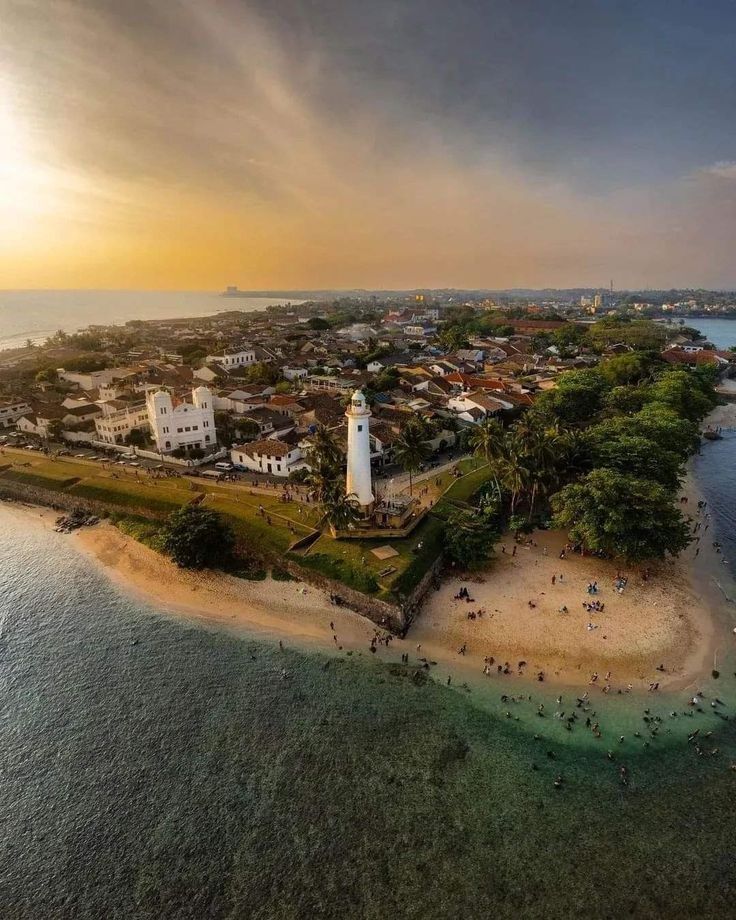
- Galle Fort: Discover the historic fort area and its streets.
- Koggala Lake: Consider a separate excursion if you have extra time.
Check travel distances and journey times before planning several activities on the same day. Whale-watching return times can vary, so avoid scheduling an important onward connection too tightly.
Is Whale Watching in Mirissa Worth It?
Mirissa can be an excellent destination for travellers who want to experience Sri Lanka’s marine wildlife. Seeing a blue whale surface in the open ocean can be extraordinary, but the encounter is never guaranteed.
The best approach is to plan around the main season, stay locally before an early departure, prepare for several hours at sea and select a responsible operator.
Most importantly, remember that whales and dolphins are wild animals. The goal should be to observe them respectfully in their natural environment, not to force a close encounter.
Frequently Asked Questions
What is the best time for whale watching in Mirissa?
The broader season is generally November to April, with December to March an important period for blue-whale viewing off Mirissa. Conditions and sightings vary each year.
What time do whale-watching boats leave?
Excursions generally depart early in the morning. Confirm the precise meeting and departure time directly with your operator.
How long does a whale-watching trip take?
Allow several hours, with the exact duration depending on conditions and wildlife locations. Ask the operator for its expected schedule.
Can I see blue whales in Mirissa?
Blue whales are among the species sought on Mirissa excursions, but sightings are not guaranteed on any particular trip.
Can I see dolphins too?
Dolphins may also be encountered. The species and number seen depend on the conditions and the animals present that day.
Is whale watching available throughout the year?
Excursion availability and conditions vary. November to April is generally described as the main southern-coast season, but you should check current local conditions before planning a trip outside it.
Should I book in advance?
Booking ahead can be sensible during busy travel periods, particularly if you have limited time. Confirm the departure time, safety arrangements and cancellation policy before paying.
Is whale watching suitable for people who get seasick?
It can be uncomfortable for people sensitive to boat movement. Prepare in advance and consider whether several hours offshore is suitable for you.
What should I check before booking?
Ask about safety equipment, the vessel, weather-related cancellation arrangements, child requirements and responsible wildlife-observation practices.