Marble Beach Trincomalee, Sri Lanka | Travel & Swimming Guide
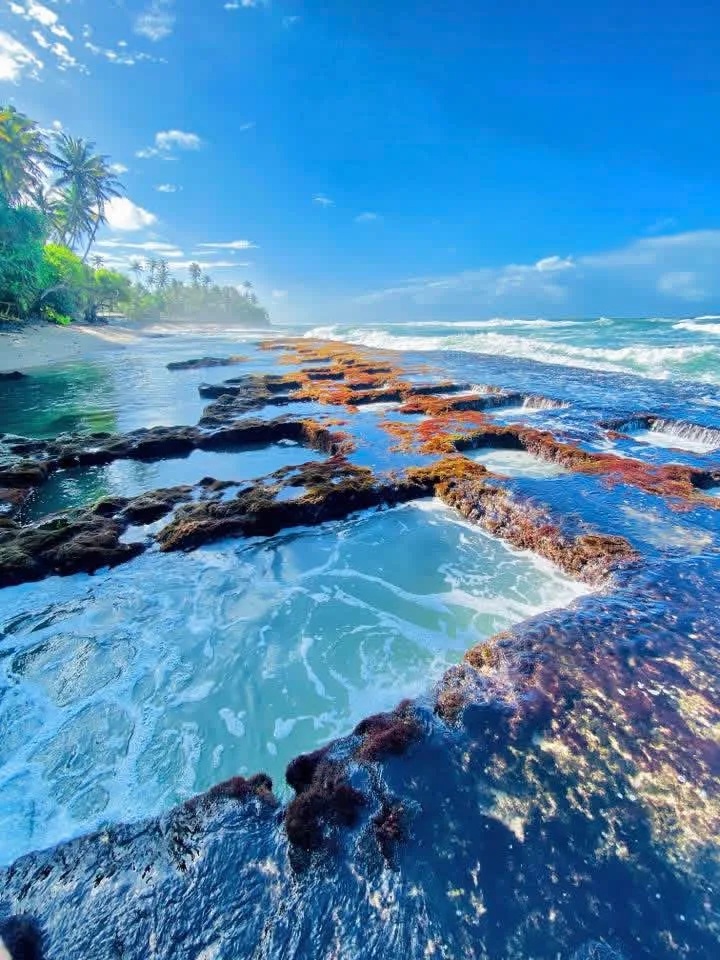
Marble Beach is a beautiful sheltered cove on Sri Lanka’s east coast, just south of Trincomalee. Known for its pale sand, remarkably clear turquoise water and peaceful setting, it is one of the best places around Trincomalee for a relaxed beach day.
Unlike the long, open stretches of Nilaveli and Uppuveli, Marble Beach sits inside the sheltered waters of Trincomalee’s natural harbour. The surrounding hills and greenery give the beach a secluded feel, while the calmer water makes it particularly popular with visitors looking for swimming and relaxing by the sea.
The beach is within a managed Sri Lanka Air Force area, which has helped keep development relatively limited. Visitors should respect the area’s rules and follow any current instructions at the entrance.
What Makes Marble Beach Special?
The biggest attraction is the combination of clear water, sheltered conditions and a quieter atmosphere.
Marble Beach faces into Koddiyar Bay, part of the enormous natural harbour around Trincomalee. Because it is protected from the full force of the open Indian Ocean, the water can be noticeably calmer than at more exposed beaches along the east coast.
The beach is backed by trees and low hills rather than a heavily developed tourist strip. There are no rows of large beach clubs or busy streets immediately beside the sand, which gives Marble Beach a more relaxed character.
For travellers staying in Trincomalee, it is an easy place to escape the busier parts of town for a few hours.
Is Marble Beach Good for Swimming?
Swimming is one of the main reasons people visit Marble Beach.
During the east coast’s calmer season, the sheltered bay can provide exceptionally clear and relatively calm water. However, calm does not mean risk-free. The seabed becomes deeper fairly quickly in some areas, and conditions can change with weather and tides.
If you are swimming:
- Stay within areas where swimming is permitted.
- Follow any instructions or warning signs.
- Keep children close to shore and within constant supervision.
- Avoid entering the water during rough conditions.
- Do not assume the sea is safe simply because it looks calm.
- If you are unsure about conditions, ask local staff before swimming.
Families with young children should be particularly cautious because the water depth can change relatively quickly in parts of the bay.
Snorkelling at Marble Beach
The clear water also makes Marble Beach interesting for casual snorkelling.
There are areas of near-shore coral and marine life, although visitors looking for Sri Lanka’s most impressive reef experience may prefer Pigeon Island National Park, near Nilaveli. Marble Beach is better suited to a relaxed combination of swimming, snorkelling and beach time rather than being treated as a dedicated diving destination.
If you bring your own mask and snorkel, early in the day can be a good time to explore when the water is calm and visibility is favourable.
Always avoid standing on coral or touching marine life.
Best Time to Visit Marble Beach
The east coast of Sri Lanka has a different weather pattern from the south and west coasts.
For Marble Beach, the generally better period is April to September, with May to September often offering particularly favourable beach conditions. During this period, the sea is generally calmer and the weather is more suitable for swimming and outdoor activities.
From around October onwards, the northeast monsoon can bring more rain and rougher sea conditions to the region. This does not mean every day is unsuitable, but beach conditions become less predictable.
Morning or afternoon?
Early morning is an excellent choice if you want cooler temperatures and a quieter beach.
Late afternoon can also be pleasant, especially when the sun becomes less intense.
The middle of the day can be extremely hot on the east coast, so take plenty of water and sun protection.
Is Marble Beach Crowded?
Marble Beach is generally quieter than some of the better-known beaches around Trincomalee, but it is not necessarily empty.
Weekends, public holidays and school holidays can bring larger numbers of local visitors. If you want the most peaceful experience, visit on a weekday and arrive early.
The beach’s relatively controlled setting also helps limit the amount of commercial development found at some other popular beaches.
Facilities at Marble Beach
Marble Beach has more facilities than its secluded appearance might suggest.
The Marble Beach resort area provides accommodation and food facilities, while visitors using the public beach area should still avoid assuming that everything they need will be available throughout the day.
It is sensible to take:
- Drinking water
- Sunscreen
- A hat
- Sunglasses
- Swimwear and a towel
- Snorkelling equipment if you have your own
- Cash for any applicable entrance or other charges
Because access arrangements and charges can change, check locally before travelling rather than relying on an old online price.
Staying at Marble Beach
For travellers who want more than a quick beach visit, accommodation is available at the Marble Beach resort.
Staying overnight gives you the opportunity to experience the cove during the quieter early morning and evening hours rather than visiting only as a day trip. The accommodation is particularly useful if you want a peaceful beach-focused stay without being in the busier parts of Trincomalee.
For a wider choice of restaurants and hotels, however, Trincomalee town and Uppuveli offer considerably more options.
How to Get to Marble Beach
Marble Beach is located south of central Trincomalee within the Koddiyar Bay area.
From Trincomalee town, the journey by road is relatively short, although the exact travel time depends on traffic and your starting point. A tuk-tuk, taxi or private vehicle is the most convenient option for most visitors.
If you are staying in Uppuveli or Nilaveli, a private vehicle or tuk-tuk is generally the easiest way to reach the beach.
Because the beach is situated within a managed area, access arrangements can change. Check with your hotel or local driver before travelling and follow the instructions at any entrance or checkpoint.
Marble Beach from Colombo
If you are travelling from Colombo, Marble Beach is best treated as part of a wider Trincomalee trip rather than a standalone day trip.
The road journey to Trincomalee is roughly 260–270 km, depending on the route, and usually takes around five to six hours by car under normal conditions.
A common route is through Kurunegala, Dambulla and Habarana before continuing towards Trincomalee.
For international visitors, it makes much more sense to stay several nights in the Trincomalee area and combine Marble Beach with Nilaveli, Pigeon Island, Fort Frederick and Koneswaram Temple.
Marble Beach vs Nilaveli Beach
Both beaches are excellent, but they offer different experiences.
Marble Beach is a small, sheltered cove with calmer water and a more enclosed setting.
Nilaveli Beach is a much longer open beach with more space, accommodation and access to boat trips to Pigeon Island.
Choose Marble Beach if you want:
- A smaller and more sheltered beach
- Clear, calm water
- A quieter atmosphere
- Swimming and relaxing
- A short beach excursion from Trincomalee
Choose Nilaveli if you want:
- A long sandy beach
- More accommodation choices
- More space
- Easier access to Pigeon Island
- A longer beach holiday
Things to Do Near Marble Beach
Marble Beach works particularly well as part of a Trincomalee sightseeing day.
Nearby attractions include:
Fort Frederick
The historic fort occupies the entrance to Trincomalee’s natural harbour and is home to several important sites, including the famous Koneswaram Temple.
Koneswaram Temple
Perched dramatically above the sea, Koneswaram Temple is one of Trincomalee’s most important Hindu religious sites and offers spectacular views over the coastline.
Nilaveli Beach
One of the best-known beaches in the Trincomalee area, Nilaveli is a good choice for a longer beach stop.
Pigeon Island National Park
Pigeon Island is famous for coral reefs, tropical fish and snorkelling. It can be combined with a Nilaveli beach visit.
Uppuveli Beach
Closer to Trincomalee town than Nilaveli, Uppuveli has more restaurants, accommodation and a livelier beach atmosphere.
Marble Beach for Families
Marble Beach can be a good choice for families because the sheltered bay can provide calmer conditions than exposed beaches.
However, parents should still supervise children closely around the water. Do not rely on descriptions such as “shallow” or “safe” from travel websites when deciding whether a child should swim. Check the conditions on the day and follow local guidance.
The beach is also a good option for families who simply want to relax on the sand rather than spend the entire day swimming.
Photography at Marble Beach
Marble Beach is particularly photogenic in the early morning and late afternoon.
The combination of pale sand, turquoise water, forested hills and the sheltered bay creates a very different landscape from the wide open beaches of the south coast.
For the best photographs:
- Arrive early for softer light.
- Walk along the shoreline to find different viewpoints.
- Photograph the surrounding hills as well as the beach itself.
- Use the late-afternoon light for warmer colours.
- Avoid photographing restricted military areas or personnel.
Tips for Visiting Marble Beach
A few simple preparations will make your visit more comfortable:
- Visit during the east coast’s better weather season.
- Arrive early if you want fewer people and cooler temperatures.
- Bring drinking water and sun protection.
- Carry cash because payment facilities can vary.
- Check current access arrangements before setting off.
- Respect the managed/military environment.
- Follow swimming signs and local instructions.
- Do not leave rubbish on the beach.
- Avoid touching coral or marine life.
- Keep an eye on children near the water.
- Don’t rely on old information about entrance fees or access rules.
Is Marble Beach Worth Visiting?
Yes, especially if you are already staying in Trincomalee.
Marble Beach is not necessarily the beach to choose if you want lots of restaurants, beach bars and activities. Its appeal is almost the opposite: clear water, a sheltered bay, natural scenery and a more peaceful atmosphere.
For a first-time visitor to Trincomalee, a good combination is to spend part of the day exploring the historic side of the city and then finish with time at Marble Beach or another nearby beach.
If you visit during the east coast’s better season and get there at a quieter time of day, Marble Beach can be one of the most relaxing stops on a Trincomalee itinerary.
Frequently Asked Questions
Where is Marble Beach?
Marble Beach is on the east coast of Sri Lanka, south of Trincomalee, within the sheltered Koddiyar Bay area.
Why is Marble Beach famous?
It is known for its pale sand, clear turquoise water, sheltered bay and peaceful setting. Its location within a managed area has also helped limit heavy development.
Is Marble Beach good for swimming?
Yes, during favourable weather conditions the sheltered bay can provide calm, clear water that is popular for swimming. However, conditions can change and the water becomes deeper in parts, so visitors should follow local safety guidance.
What is the best time to visit Marble Beach?
The best period is generally April to September, with May to September often providing particularly favourable conditions for swimming and beach activities.
Is Marble Beach suitable for children?
It can be, particularly when the water is calm, but children should always be closely supervised. The seabed can become deeper relatively quickly in some areas.
Is Marble Beach free to enter?
Access arrangements and charges can change. Some current sources describe an entrance charge, while the current Marble Beach website describes a public access area. Check locally before your visit rather than relying on an old published price.
Can you stay overnight at Marble Beach?
Yes. Accommodation is available through the Marble Beach resort, although the number of rooms is limited compared with Trincomalee, Uppuveli or Nilaveli.
How far is Marble Beach from Trincomalee?
It is a relatively short drive from central Trincomalee, although the exact distance and journey time depend on the route and starting point.
What other places can I visit near Marble Beach?
Nilaveli Beach, Pigeon Island, Uppuveli Beach, Fort Frederick and Koneswaram Temple can all be included in a wider Trincomalee itinerary.
Google Maps: https://maps.google.com/?q=Marble+Beach+Trincomalee