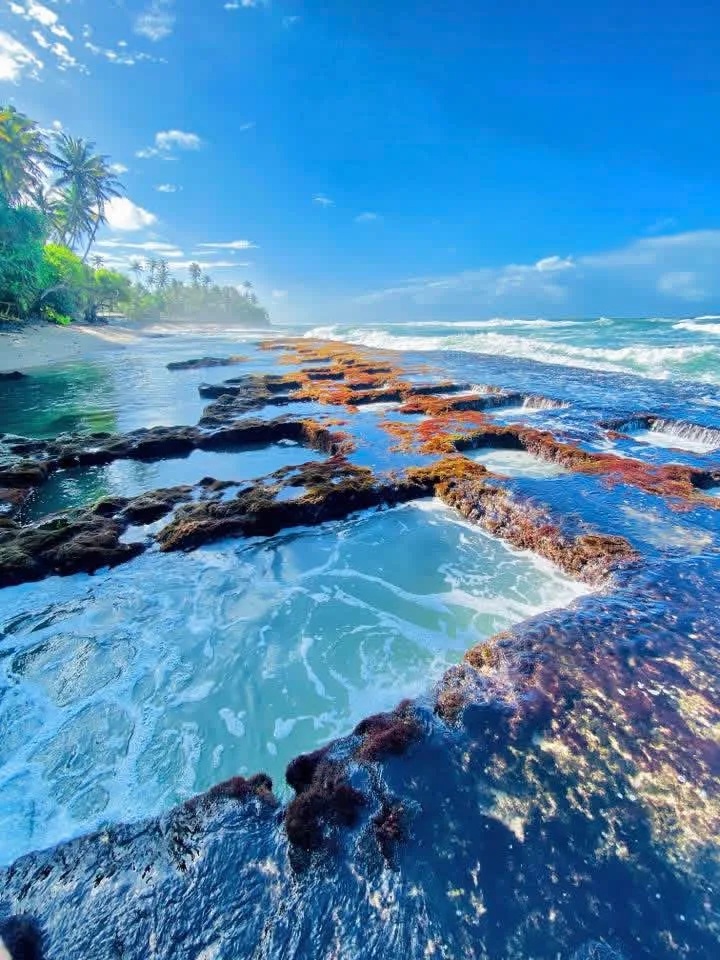
Arisimale Beach, Sri Lanka | Rice-Grain Sand & Travel Guide
Tucked away on Sri Lanka’s remote eastern coastline near Pulmoddai, Arisimale Beach is one of the island’s most unusual and lesser-known beaches. Its most distinctive feature is the coarse, rice-grain-like sand that gives the beach its name. In Tamil, “arisi” means rice and “malai” means mountain, often interpreted as “Mountain of Rice” in reference to the unusual sand.
Located around 50 kilometres north of Trincomalee, Arisimale is very different from the developed beaches around Nilaveli and Uppuveli. There are few tourist facilities in the immediate area, and the peaceful surroundings are part of the attraction.
For travellers looking to discover a quieter and more authentic side of Sri Lanka’s East Coast, Arisimale Beach is an excellent off-the-beaten-path destination.
What Makes Arisimale Beach Special?
The sand is the first thing most visitors notice.
Instead of the fine, powdery sand found on many Sri Lankan beaches, Arisimale has unusually large grains that resemble individual grains of rice. This distinctive feature is the reason behind the beach’s name and makes it a fascinating place for photography and exploration.
The beach itself is relatively undeveloped, with coastal vegetation and very little commercial activity. There are no rows of large hotels or busy beach restaurants, allowing visitors to experience a much quieter stretch of the East Coast.
The Rice-Like Sand of Arisimale
Arisimale’s sand is not simply ordinary beach sand. The unusually coarse grains are one of the defining geological and visual features of the area.
The contrast between the pale sand, turquoise water and surrounding vegetation makes the beach particularly attractive for landscape photography.
Please don’t collect the unusual sand as souvenirs. Leaving the beach undisturbed helps preserve the feature that makes Arisimale special.
Arisimale and Buddhist Heritage
Arisimale is also connected with the long history of Buddhism in this part of Sri Lanka.
The beach lies close to Arisimale Aranya Senasanaya / Arisimale Raja Maha Viharaya, a Buddhist religious site surrounded by a peaceful natural environment. The wider area has archaeological and religious significance, and local traditions associate Arisimale with the ancient Buddhist history of Sri Lanka.
There is also a long-standing tradition connecting this coastline with Thapassu and Bhalluka, the two merchants traditionally believed to have received hair relics from the Buddha and later travelled towards Thiriyaya.
These accounts form part of Sri Lanka’s religious tradition, rather than something that can be independently verified as historical fact, but they add another interesting dimension to a visit.
If visiting the nearby religious sites, dress respectfully and maintain a quiet atmosphere.
Can You Swim at Arisimale Beach?
Arisimale may look inviting, but do not assume that the sea is safe for swimming simply because the water appears calm.
There are no extensive beach facilities or lifeguard services in the immediate area, and sea conditions can change. Local travel information specifically warns against bathing at the beach because of safety concerns.
If you visit, treat Arisimale primarily as a scenic and cultural destination. If local authorities, residents or religious-site staff advise against entering the water, follow their advice.
Never enter the sea during rough conditions, and keep children away from the water’s edge when conditions are uncertain.
Best Time to Visit Arisimale Beach
The East Coast generally has its best beach weather during the May to September period, when the northeast monsoon is no longer affecting the region and sea conditions are often more favourable.
For sightseeing and photography, however, Arisimale can be visited outside the peak beach season as well.
Because the area can become extremely hot, early morning or late afternoon is particularly pleasant. Morning also gives you softer light for photography and a more comfortable experience before the midday heat becomes intense.
Always check the local weather and sea conditions before travelling.
How to Get to Arisimale Beach
Arisimale Beach is approximately 50 kilometres north of Trincomalee, near Pulmoddai on Sri Lanka’s northeastern coast.
From Trincomalee, travel north through the Nilaveli and Kuchchaveli area towards Pulmoddai. Depending on the route and road conditions, the journey can take around 1–1.5 hours.
From Colombo, the journey is considerably longer and is best treated as part of a multi-day East Coast itinerary rather than a day trip. Check your route on a map before you set off, as road conditions and the final approach can vary.
The final approach to the beach is less developed than the main roads around Trincomalee. Some sources describe sandy or rough sections near the beach, so a tuk-tuk or suitable vehicle may be more practical than a low-clearance car.
Arisimale Beach Facilities
One of Arisimale’s attractions is also one of its limitations: there is very little tourist infrastructure.
Don’t expect the restaurants, cafés, changing facilities and organised beach activities available around Nilaveli or Uppuveli.
Before leaving Trincomalee or another larger town, take:
- Drinking water
- Snacks or food
- Sunscreen
- A hat
- Sunglasses
- Insect repellent
- Any medication you may need
- Suitable footwear
There may be little or no opportunity to purchase supplies once you reach the more remote coastal area.
Arisimale Beach for Photography
Arisimale is an excellent destination for photographers looking for something different from Sri Lanka’s famous palm-lined beaches.
The unusual sand, clear water, coastal vegetation, fishing activity and relatively empty shoreline provide plenty of opportunities for natural landscape photography.
Early morning and late afternoon are particularly attractive because the light is softer and temperatures are more comfortable.
Avoid walking onto unstable dunes or sensitive vegetation simply to get a better photograph.
How Long Should You Spend at Arisimale?
Around 2–3 hours is enough for most visitors to explore the beach, take photographs and experience the surrounding area.
If you also want to visit the nearby Buddhist sites or combine Arisimale with other northern East Coast attractions, you can comfortably make it part of a full-day excursion.
Because of its remote location, however, it is better to plan the journey as part of a wider itinerary rather than travelling all the way from Trincomalee simply for a very short stop.
Arisimale Beach and Girihandu Seya
One of the most interesting ways to visit Arisimale is to combine it with Girihandu Seya, the ancient Buddhist stupa at Thiriyaya.
Girihandu Seya is traditionally associated with Thapassu and Bhalluka and is one of the most historically significant Buddhist sites in the Trincomalee region.
Combining the two gives you a day that includes both Sri Lanka’s natural coastline and its ancient Buddhist heritage.
Nearby Places to Visit
Arisimale can be combined with several attractions in the northern part of the Trincomalee region:
- Girihandu Seya – an ancient Buddhist site at Thiriyaya
- Nilaveli Beach – one of Sri Lanka’s best-known East Coast beaches
- Pigeon Island National Park – famous for coral reefs and marine life
- Kuchchaveli – a quieter coastal area north of Trincomalee
- Kokkilai Lagoon – an important wetland and bird habitat
- Trincomalee – home to Koneswaram Temple, Fort Frederick and the famous natural harbour
If you’re already staying in Trincomalee for several days, Arisimale makes an interesting contrast to the busier beaches closer to town.
Arisimale Beach for Families
Arisimale can be an enjoyable destination for families who like nature and quiet places, but it is not a conventional family beach resort.
There are limited facilities, little shade and no dependable lifeguard infrastructure. The unusual sand and scenery can be fascinating for children, but parents should supervise them closely around the shoreline and avoid entering the water when conditions are uncertain.
Bring plenty of drinking water, sun protection and food for the journey.
Tips for Visiting Arisimale Beach
- Visit early morning or late afternoon to avoid the strongest heat.
- Carry enough drinking water and food.
- Check weather and sea conditions before travelling.
- Don’t assume the water is safe for swimming.
- Respect any local or religious warnings about entering the sea.
- Wear suitable footwear if walking over rough or sandy tracks.
- Dress respectfully when visiting nearby Buddhist religious sites.
- Do not collect the unusual sand as souvenirs.
- Avoid damaging vegetation or disturbing wildlife.
- Take all rubbish with you.
- Keep the area peaceful and respect local communities.
Is Arisimale Beach Worth Visiting?
Yes — particularly if you enjoy discovering places away from Sri Lanka’s main tourist routes.
Arisimale is not the place to visit for beach clubs, restaurants or organised water sports. Its appeal is almost the opposite: unusual rice-like sand, clear coastal scenery, cultural history and a remarkably quiet atmosphere.
For travellers staying around Trincomalee who want to explore beyond Nilaveli and Uppuveli, Arisimale offers a glimpse of a much less developed section of Sri Lanka’s East Coast.
Plan your visit with realistic expectations, bring your own supplies and respect the natural and religious character of the area, and Arisimale can become one of the more memorable stops on an East Coast journey.
Frequently Asked Questions
Where is Arisimale Beach?
Arisimale Beach is on Sri Lanka’s northeastern coast near Pulmoddai, approximately 50 kilometres north of Trincomalee. It is located in the Kuchchaveli area of Trincomalee District.
Why is Arisimale Beach famous?
Arisimale is famous for its unusually coarse, rice-grain-like sand. The Tamil words “arisi” and “malai” are commonly translated as rice and mountain, giving rise to the name “Mountain of Rice.”
Is Arisimale Beach good for swimming?
Swimming should not be assumed to be safe. There are limited facilities and no reliable lifeguard infrastructure, and local travel information warns against bathing at the beach. Always follow current local advice and sea-condition warnings.
What is the best time to visit Arisimale Beach?
May to September is generally the more favourable period for the East Coast, with calmer and drier conditions. For sightseeing, early morning or late afternoon is preferable because the area can become very hot.
How far is Arisimale Beach from Trincomalee?
Arisimale is approximately 50 kilometres north of Trincomalee. Allow roughly 1–1.5 hours by road depending on your route and conditions.
Are there restaurants at Arisimale Beach?
There are very few tourist facilities immediately around the beach. Bring your own food and drinking water rather than relying on finding restaurants at the destination.
Can you visit Arisimale Beach with children?
Yes, but it is better suited to families who are comfortable visiting remote natural areas. Bring water, food and sun protection, supervise children closely and avoid entering the sea if conditions are uncertain.
What can you combine with Arisimale Beach?
Arisimale can be combined with Girihandu Seya, Nilaveli Beach, Pigeon Island, Kuchchaveli and other attractions around northern Trincomalee.
Is Arisimale Beach crowded?
It is generally much quieter than popular beaches such as Nilaveli and Uppuveli. Its remote location and limited facilities help keep visitor numbers relatively low.
Google Maps location: https://maps.google.com/?q=8.936605,81.006229