Sigiriya Lion Rock, Sri Lanka | Fortress & Travel Guide
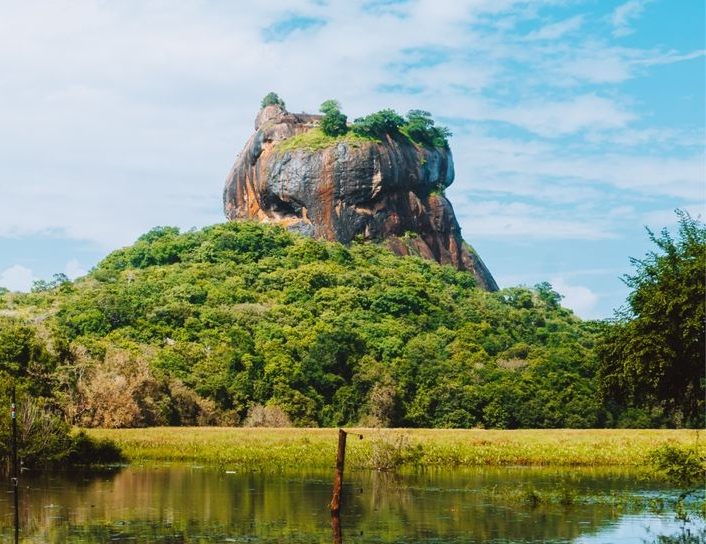
Sigiriya Lion Rock is one of Sri Lanka’s most famous landmarks and a must-visit destination for travellers exploring the island. Rising dramatically above the surrounding forests and plains, this ancient rock fortress combines remarkable engineering, historic paintings, landscaped gardens and breathtaking panoramic views.
Recognised as a UNESCO World Heritage Site, Sigiriya offers a fascinating glimpse into Sri Lanka’s history and ancient civilisation. Whether you are visiting Sri Lanka for the first time, travelling with family or exploring the island’s cultural heritage, this guide covers everything you need to know before visiting Sigiriya.
Where Is Sigiriya Lion Rock?
Sigiriya is located in Sri Lanka’s Cultural Triangle, in the Central Province’s Matale District. The surrounding region is known for ancient cities, Buddhist temples, wildlife parks and archaeological attractions.
Approximate travel times by road include:
- From Dambulla: 30–40 minutes
- From Habarana: 20–30 minutes
- From Kandy: 2.5–3.5 hours
- From Colombo: 4–5 hours
- From Anuradhapura: 1.5–2 hours
Travel times depend on traffic, road conditions and your starting point. Sigiriya is often visited as part of a wider trip that includes Dambulla Cave Temple, Polonnaruwa and the region’s wildlife parks.
The History of Sigiriya Rock Fortress
Sigiriya’s history stretches back much further than its famous royal palace. Archaeological evidence suggests that the rock and its surrounding area were used by people long before the fortress was constructed.
The site became particularly important during the reign of King Kashyapa I, who ruled Sri Lanka from approximately AD 477 to 495. According to historical accounts, Kashyapa established his royal residence at Sigiriya and developed the impressive fortress complex around the enormous rock.
The natural height of the rock provided a strategic advantage, while the surrounding gardens, water features and defensive structures demonstrated sophisticated planning and engineering.
After Kashyapa’s reign, the site became associated with Buddhist monastic activity. Today, Sigiriya stands as an outstanding example of Sri Lanka’s ancient architecture, landscape design and artistic heritage.
What Makes Sigiriya Special?
Sigiriya is much more than a large rock. The site combines several remarkable features that make it one of the island’s most significant archaeological attractions.
1. The Lion’s Paw Entrance
One of Sigiriya’s most recognisable features is the enormous lion-paw structure near the upper entrance. Visitors climb a series of stairways to reach this area before continuing towards the summit.
The surviving paws are the remains of a much larger lion-shaped entrance that once formed part of the approach to the upper palace. They give the rock its famous name, Lion Rock.
2. The Ancient Frescoes
Sigiriya is known for its colourful wall paintings, commonly called the Sigiriya frescoes. These paintings depict female figures and demonstrate the artistic skill of the period.
The surviving paintings are protected, and visitors should follow the rules in the fresco gallery. Photography may be restricted in certain areas, so always obey the signs and instructions provided by site staff.
3. The Mirror Wall
The Mirror Wall is another fascinating feature of the fortress. In ancient times, its surface was reportedly polished to create a reflective appearance.
Over the centuries, visitors left inscriptions and verses on the wall. These writings provide an unusual record of historical visitors and their impressions of Sigiriya.
4. The Water Gardens
At the base of the rock, visitors can explore the beautifully planned gardens, pools and water features. The layout reflects advanced landscape design and water-management techniques.
The gardens are especially attractive when viewed from the pathways leading towards the rock. Take time to explore them rather than heading straight for the staircase.
5. The Summit and Panoramic Views
The climb leads to the remains of the ancient palace complex at the summit. From the top, visitors can enjoy wide views over forests, lakes, agricultural land and the surrounding countryside.
On a clear day, the scenery is one of the highlights of the entire visit. Allow some time to appreciate the landscape and explore the archaeological remains before descending.
Climbing Sigiriya Rock: What to Expect
Climbing Sigiriya involves numerous steps, narrow stairways and exposed sections. Although many visitors complete the climb successfully, it requires a reasonable level of fitness and care.
For most people, the full visit takes approximately 2–4 hours, depending on crowd levels, weather, walking speed and the amount of time spent exploring the gardens and summit.
Keep the following points in mind:
- Wear comfortable walking shoes with a good grip.
- Carry drinking water and stay hydrated.
- Use the handrails where available.
- Take breaks if you feel tired or uncomfortable.
- Be particularly careful on narrow or exposed stairways.
- Follow instructions from site staff.
- Avoid the climb during thunderstorms or dangerous weather conditions.
- Keep children close to you throughout the visit.
The climb can feel demanding in hot and humid weather. If you have mobility difficulties, significant health concerns or a strong fear of heights, consider your personal circumstances before attempting the ascent.
What Is the Best Time to Visit Sigiriya?
The best time to visit Sigiriya depends on the weather, your travel plans and how comfortable you are with crowds.
Best Time of Day
Early morning is generally the best time to begin your visit. Temperatures are usually more comfortable than later in the day, and starting early gives you more time to explore before the strongest afternoon heat.
Late afternoon may also offer attractive light for viewing the surrounding landscape, but check the official opening hours and allow enough time to complete the climb before closing.
Best Time of Year
Sri Lanka’s weather can vary throughout the year, and Sigiriya may be visited in different seasons. Dry or relatively settled weather can make walking and sightseeing more comfortable, but rain is possible at any time.
Check the forecast before your visit, especially during periods of unsettled weather. Wet steps can become slippery, and thunderstorms may affect outdoor activities.
Avoid Crowds at Sigiriya: Public Holidays, Poya Days and Long Weekends
If you want to enjoy Sigiriya without spending too much time in queues, it is important to consider Sri Lanka’s local holiday calendar when planning your visit.
Sigiriya can become extremely crowded during public holidays, Poya days, long weekends, school holidays and major festival periods. These dates attract both international tourists and Sri Lankan families travelling around the country.
During busy periods, you may encounter queues at the entrance, crowded stairways and longer waiting times at popular viewpoints. Even if you arrive early, you may not avoid all the crowds, particularly on a long weekend or a major holiday.
To improve your chances of a more comfortable visit, consider these tips:
- Choose a weekday: Tuesday, Wednesday or Thursday may be good options outside major holiday periods.
- Avoid Poya days where possible: Poya days are monthly public holidays in Sri Lanka and can be popular travel days for local visitors.
- Check long weekends: When a public holiday falls near a weekend, more local families may travel to popular attractions.
- Check school holidays: School breaks and the Sinhala and Tamil New Year period can bring additional visitors to cultural and tourist destinations.
- Arrive early: Starting early can help you avoid some of the daytime heat and may reduce waiting times, although it does not guarantee a quiet visit.
- Allow extra time: If you must visit on a holiday, plan for queues and take your time on the climb rather than rushing.
Sri Lanka’s tourism statistics have shown higher domestic visitation at Sigiriya during some holiday and school-break periods, including April, May, June and August. However, crowd levels vary from year to year, so these months should not be treated as a guarantee of either a busy or quiet visit.
Before finalising your itinerary, check the current official holiday calendar and the Central Cultural Fund website for visitor information.
Useful official resources:
- Sri Lanka’s 2026 public holiday calendar: https://moha.gov.lk/web/images/latest_document/government_holidays/2026/2026_Holidays_En.pdf
- Central Bank of Sri Lanka holiday information: https://www.cbsl.gov.lk/en/node/19362
- Central Cultural Fund: https://ccf.gov.lk/
Our recommendation: If your schedule is flexible, choose a normal midweek day outside major holidays, arrive early and allow enough time to explore the gardens, climb the rock and enjoy the summit. This gives you a better chance of a relaxed experience than visiting during a busy long weekend.
Sigiriya Entrance Fees and Tickets
Sigiriya is a ticketed archaeological attraction. Entrance fees can vary according to visitor category, applicable concessions and official pricing changes.
Before travelling, check the latest ticket prices, opening arrangements and any applicable visitor requirements through the official Central Cultural Fund website.
Official resources:
- Sigiriya Rock Fortress information: https://ccf.gov.lk/heritage-sites/sigiriya-rock-fortress/
- Central Cultural Fund e-ticketing: https://www.eservices.ccf.gov.lk/eticketing/landing
If you are visiting during a busy holiday period, check ticket arrangements in advance and allow additional time for entry. Do not rely on old travel blogs for current prices.
What Should You Bring to Sigiriya?
A little preparation can make your visit more comfortable.
We recommend bringing:
- Drinking water
- Comfortable walking shoes
- Lightweight, breathable clothing
- Sun protection, such as a hat and sunscreen
- A camera or smartphone, where photography is permitted
- Some cash for incidental expenses
- A small bag for your essentials
Avoid carrying unnecessary items, as you will need to manage your belongings while climbing. Follow all site rules regarding photography, litter, protected areas and visitor conduct.
Is Sigiriya Suitable for Children and Older Visitors?
Sigiriya can be a memorable experience for families, but the climb is not equally suitable for everyone.
Older children who are comfortable walking and climbing may enjoy the adventure and the historical features. Younger children require close supervision, especially around steep stairways and exposed sections.
Older visitors should consider their fitness, balance, comfort with heights and ability to manage a long staircase. Take breaks as needed and do not feel pressured to reach the summit if the climb becomes uncomfortable.
There is plenty to appreciate at the lower levels, including the gardens and the views of the rock itself.
Sigiriya or Pidurangala Rock: Which Should You Visit?
Pidurangala Rock is another popular attraction near Sigiriya. It is particularly famous for its views of Sigiriya Rock, making it a favourite location for landscape photography.
The two experiences are different:
Sigiriya Lion Rock is best for visitors interested in archaeology, ancient architecture, frescoes, landscaped gardens and the remains of a royal complex.
Pidurangala Rock is popular with visitors seeking a more nature-focused climb and a famous viewpoint looking towards Sigiriya.
Some travellers visit both attractions, but doing so requires additional time and energy. Pidurangala can also become crowded during popular periods, especially around sunrise and sunset.
Choose according to your interests, available time and fitness level.
Other Places to Visit Near Sigiriya
If you have more time in the region, consider combining Sigiriya with other attractions in Sri Lanka’s Cultural Triangle.
Dambulla Cave Temple
Dambulla Cave Temple is a historic Buddhist site famous for its cave shrines, Buddha statues and religious paintings. It is a popular addition to a Sigiriya itinerary.
Minneriya National Park
Minneriya is known for its wildlife and seasonal elephant gatherings. Wildlife sightings depend on the season, animal movements and local conditions, so sightings cannot be guaranteed.
Polonnaruwa Ancient City
Polonnaruwa contains impressive archaeological remains from one of Sri Lanka’s historic capitals. It is an excellent destination for visitors interested in ancient Sri Lankan history.
Kaudulla National Park
Kaudulla is another wildlife destination in the region where visitors may have opportunities to see elephants and other animals on a safari.
Pidurangala Rock
If you want a different perspective of Sigiriya, Pidurangala offers a well-known viewpoint across the surrounding landscape. Be aware that some sections of its climb can be uneven and require care.
Can You Fly a Drone at Sigiriya?
Do not assume that recreational drone flights are permitted at Sigiriya. The archaeological site is protected, and drone operations may be subject to restrictions, permissions and aviation regulations.
Before taking a drone, confirm the current requirements with the relevant Sri Lankan authorities and the site management. Obtain any required written permissions before flying.
You should never fly a drone over crowds or in a way that endangers visitors, wildlife or protected heritage structures.
Where to Stay When Visiting Sigiriya
Sigiriya and the neighbouring areas of Dambulla and Habarana offer accommodation options ranging from guesthouses and small hotels to larger resorts.
Staying nearby can make an early morning visit easier and reduce the need for a long drive before the climb.
When choosing accommodation, consider:
- Distance from the Sigiriya entrance
- Transport availability
- Breakfast and early departure arrangements
- Air conditioning and other facilities
- Your plans for Dambulla, wildlife parks or Polonnaruwa
If you are visiting during a public holiday or long weekend, booking accommodation in advance is sensible because popular properties may fill up.
How to Include Sigiriya in Your Sri Lanka Itinerary
Sigiriya fits naturally into a trip around the Cultural Triangle. You can visit it as a day trip from nearby towns or include it in a multi-day journey.
For a short visit, spend one day exploring Sigiriya and its gardens. If you have additional time, combine it with Dambulla Cave Temple or a wildlife safari.
Travellers with more time can continue towards Polonnaruwa before travelling to Kandy, the central highlands or other parts of Sri Lanka.
Allow enough time for travel between destinations, especially if you are using public transport or visiting during busy holiday periods.
Frequently Asked Questions About Sigiriya Lion Rock
How long does it take to climb Sigiriya?
Many visitors allow around 2–4 hours for the overall visit, including the gardens, ascent, summit and descent. Crowds, weather and your walking pace can affect the duration.
Is Sigiriya worth visiting?
Yes. Sigiriya combines Sri Lanka’s history, ancient engineering, art, gardens and scenic views in one remarkable location. It is one of the country’s most distinctive cultural attractions.
What time should I arrive at Sigiriya?
Early morning is generally a good choice because temperatures are often more comfortable. Check official opening hours and allow enough time to complete your visit.
Is Sigiriya crowded on Poya days?
It can be. Poya days are public holidays in Sri Lanka, and popular attractions may receive more local visitors. Long weekends, school holidays and major festival periods can also be busy.
Which day is best to visit Sigiriya?
A normal weekday, particularly Tuesday, Wednesday or Thursday outside major holidays, may offer a more relaxed experience. However, crowd levels vary and no particular day guarantees an empty site.
Can I visit Sigiriya and Pidurangala on the same day?
Yes, some visitors do both. However, it can be tiring, particularly in hot weather or during busy periods. Plan your timing carefully and check current access arrangements for both attractions.
Is Sigiriya difficult to climb?
The climb involves many steps, narrow stairways and exposed sections. Many visitors manage it, but the difficulty depends on fitness, weather and comfort with heights.
Do I need to buy Sigiriya tickets in advance?
Check the official Central Cultural Fund ticketing website for current ticket options and entry arrangements before your visit. Booking requirements and prices may change.
Final Thoughts: Is Sigiriya Lion Rock Worth Visiting?
Sigiriya Lion Rock is one of Sri Lanka’s most extraordinary cultural attractions. Its ancient fortress, impressive gardens, historic frescoes and sweeping views make it a rewarding destination for anyone interested in the island’s heritage.
For the best experience, prepare for the climb, check current ticket information and plan around the weather and local holiday calendar. If possible, avoid the busiest long weekends and Poya days, arrive early and leave enough time to explore beyond the summit.
With a little planning, Sigiriya can become one of the highlights of your journey through Sri Lanka.