Ruwanweliseya, Anuradhapura | Great Stupa Visitor Guide
Ruwanweliseya: The Sacred Great Stupa of Anuradhapura
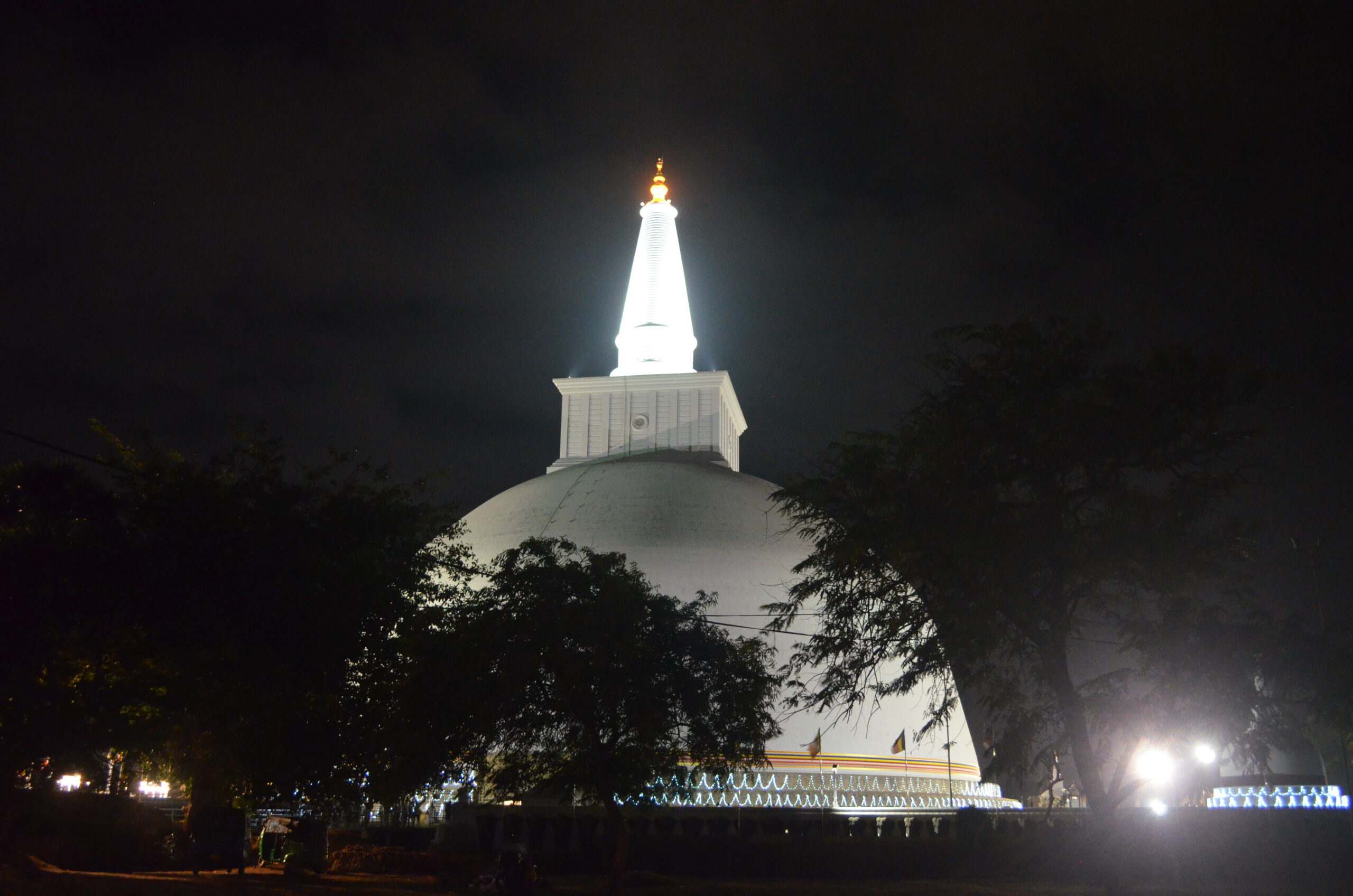
Ruwanweliseya, also known as Ruwanweli Maha Seya, is one of Sri Lanka’s most revered Buddhist monuments and a highlight of the ancient city of Anuradhapura. Its brilliant white dome, elegant proportions and surrounding wall of stone elephants make it one of the most recognisable landmarks in the country.
Built during the reign of King Dutugemunu in the 2nd century BC, Ruwanweliseya has been an important place of Buddhist worship for more than two thousand years. Today, it continues to welcome pilgrims and visitors who come to admire its architecture, learn about Sri Lanka’s ancient civilisation and experience the peaceful atmosphere of a living sacred site.
Whether you are interested in history, architecture or Buddhist heritage, a visit to Ruwanweliseya offers a meaningful introduction to the cultural and spiritual traditions of Sri Lanka.
The History of Ruwanweliseya
Ruwanweliseya was constructed under the patronage of King Dutugemunu, one of the most celebrated rulers in ancient Sri Lankan history. Its construction began in the 2nd century BC, during the period when Anuradhapura was the island’s royal capital and an important centre of Buddhist learning.
The stupa is also known as the Maha Thupa, meaning the Great Stupa. According to Buddhist tradition, it was built to enshrine sacred relics of the Buddha, making it an important destination for pilgrims.
Historical accounts describe an ambitious construction project that reflected the engineering skills, craftsmanship and religious devotion of the Anuradhapura civilisation. King Dutugemunu did not live to see the entire monument completed; the work was continued under his successor, King Saddhatissa. Over the centuries, the stupa underwent periods of decline and restoration before being rebuilt to its present form.
Today, Ruwanweliseya stands as a powerful reminder of the achievements of Sri Lanka’s ancient kingdoms and the enduring influence of Buddhism on the island.
What Makes Ruwanweliseya Special?
The most striking feature of Ruwanweliseya is its enormous, smooth white dome, which rises above the surrounding temple grounds. Its simple, balanced shape contrasts with the intricate carvings and detailed stonework found at many other ancient monuments.
One of its most distinctive features is the surrounding elephant wall. Rows of sculpted elephants appear to support or guard the sacred monument, creating an impressive visual effect as visitors approach the stupa.
The spacious grounds, whitewashed surfaces and open sky also make this a memorable place to experience Sri Lanka’s religious architecture. During important Buddhist observances, devotees gather to offer flowers, light lamps and walk respectfully around the stupa as part of their worship.
Unlike an abandoned archaeological ruin, Ruwanweliseya remains an active place of devotion. Visitors are welcome to appreciate its beauty, but should remember that religious ceremonies and daily worship take priority.
Best Time to Visit Ruwanweliseya
Ruwanweliseya can be visited throughout the year. However, early morning and late afternoon are particularly pleasant times to explore the site, when temperatures may be more comfortable and the changing light creates beautiful views of the white dome.
Early mornings can offer a quieter atmosphere, while evenings often bring a special sense of calm as devotees arrive for worship. Visiting around sunset can also provide excellent photography opportunities, provided you allow enough time to explore respectfully.
Full-moon Poya days and major Buddhist festivals can be especially meaningful times to visit, with large numbers of devotees gathering at the sacred sites of Anuradhapura. Expect heavier crowds on these occasions.
Anuradhapura can be very hot during the middle of the day, so bring drinking water, sun protection and comfortable footwear that is easy to remove before entering sacred areas.
Dress Code and Visitor Etiquette
As Ruwanweliseya is an important Buddhist place of worship, visitors should dress modestly and behave respectfully throughout the temple grounds.
- Wear clothing that covers your shoulders and knees.
- Remove your shoes before entering designated sacred areas and follow local instructions.
- Avoid loud conversations and do not disturb people who are praying.
- Ask permission before photographing worshippers, monks or religious activities.
- Follow any signs or instructions concerning photography and access.
- Do not climb on the monument, sit on sacred structures or leave rubbish behind.
White clothing is commonly worn by Buddhist devotees, particularly on Poya days, but it is not generally necessary for ordinary visitors. Modest, respectful clothing is the important consideration.
How to Get to Ruwanweliseya
Ruwanweliseya is located in the sacred city of Anuradhapura in Sri Lanka’s North Central Province. It is part of the wider ancient city, which contains numerous stupas, monasteries, archaeological remains and important Buddhist sites.
From Colombo, the journey by road usually takes several hours, depending on traffic and the route. Travellers can also reach Anuradhapura by train or bus and continue to the sacred city by tuk-tuk or other local transport. Check current transport schedules before travelling.
Once in Anuradhapura, Ruwanweliseya is easy to combine with other nearby historical and religious attractions. A bicycle, tuk-tuk or private vehicle can be useful for exploring the wider ancient city, as its important sites are spread across a large area.
Other Attractions Near Ruwanweliseya
Ruwanweliseya is an excellent starting point for exploring the cultural heritage of Anuradhapura. Consider visiting these nearby landmarks during the same trip:
Jaya Sri Maha Bodhi: One of the most sacred Buddhist sites in Sri Lanka, this revered Bodhi tree is traditionally associated with a sapling brought from the tree under which the Buddha attained enlightenment.
Thuparamaya: Widely regarded as the first historically established Buddhist stupa in Sri Lanka, Thuparamaya is an important stop for visitors interested in the early history of Buddhism on the island.
Lovamahapaya (Brazen Palace): The remains of this ancient monastic building are marked by rows of stone pillars that offer a glimpse into the scale of the original structure.
Jetavanaramaya: This monumental brick stupa is one of the most impressive examples of ancient Sri Lankan engineering and a major highlight of the Anuradhapura archaeological landscape.
Abhayagiri Dagoba: Another remarkable ancient stupa, Abhayagiri was once at the centre of a major monastic complex that played an important role in the religious and intellectual life of Anuradhapura.
If you have time, allow a full day to explore several of these sites rather than rushing through them. Their histories and architectural details reveal different aspects of the ancient capital.
How Long Should You Spend at Ruwanweliseya?
Allow around 30–60 minutes for a relaxed visit to Ruwanweliseya, including time to admire the architecture, walk around the grounds and observe the atmosphere. You may wish to stay longer if you are interested in Buddhist traditions, religious ceremonies or photography.
If you are visiting Anuradhapura for the first time, consider setting aside a full day for the wider sacred city. Exploring its major stupas, the Jaya Sri Maha Bodhi and the archaeological remains together gives a much richer understanding of the ancient kingdom.
Is Ruwanweliseya Worth Visiting?
Ruwanweliseya is well worth visiting for anyone interested in Sri Lanka’s history, religion and cultural heritage. Its impressive white dome is only part of the experience; the continuing presence of pilgrims and worshippers gives the monument a significance that goes beyond its age and architectural beauty.
For first-time visitors to Sri Lanka, it is an opportunity to discover a different side of the island beyond its beaches, wildlife and hill-country scenery. Combined with the other monuments of Anuradhapura, Ruwanweliseya helps bring the story of Sri Lanka’s ancient civilisation to life.
Travel tip: Visit with an open mind, dress respectfully and allow enough time to explore the surrounding sacred city. Ruwanweliseya is not simply a historical attraction—it remains a deeply important place of worship for Buddhists in Sri Lanka and around the world.