
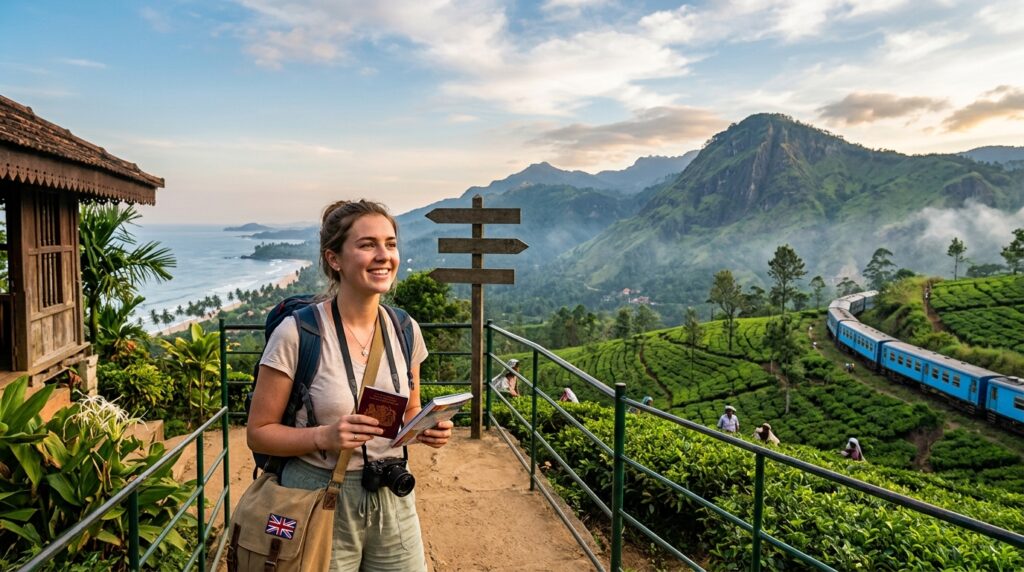
Planning your first trip to Sri Lanka? You’re about to discover a beautiful island filled with ancient cities, tropical beaches, misty mountains, wildlife, incredible food and some of the friendliest people you’ll meet on your travels.
But before you arrive, there are a few things worth knowing.
How much cash should you carry? Is Sri Lanka expensive? What’s the easiest way to get around? What should you wear when visiting temples? And how do you avoid spending half your holiday travelling between destinations?
Whether you’re visiting for a week or planning a longer adventure, these 25 essential Sri Lanka travel tips will help you prepare for your trip, avoid common mistakes and enjoy a smoother holiday.
1. Choose the Right Time to Visit Sri Lanka
One of the most important things to understand about Sri Lanka is that different parts of the island experience different weather patterns.
There isn’t one perfect month for every destination.
Generally, the south and west coasts are most popular from December to April, while the east coast often offers better beach conditions from around May to September.
The hill country and Cultural Triangle can be visited throughout the year, although rainfall and local conditions vary.
Travel tip: Choose your route based on the season rather than assuming every beach will have sunshine at the same time.
If you’re travelling in July or August, consider destinations such as Trincomalee, Nilaveli and Pasikuda. If you’re visiting during the UK winter, the southern coast may be a better choice.
Read our guide: Best Time to Visit Sri Lanka: Complete Month-by-Month Guide.
2. Check Your Visa and Entry Requirements Before Travelling
Before booking your trip, check the latest entry requirements for your nationality.
Sri Lanka’s visa and Electronic Travel Authorisation (ETA) arrangements can change, so don’t rely entirely on old blog posts or advice from other travellers.
Check the official Sri Lankan immigration website for current requirements, fees, permitted length of stay and application procedures.
Official website: https://www.immigration.gov.lk/
Make sure your passport meets the applicable validity requirements and that you understand whether you need to apply before departure.
Travel tip: Use official government websites rather than paying an unnecessary third-party service to submit an application you can complete through an official channel.
Keep copies of your passport, travel insurance and important booking details somewhere secure.
3. Don’t Underestimate Travel Times
Sri Lanka may look small on a map, but getting around can take longer than you expect.
Mountain roads are winding, traffic can be heavy around towns, and local transport connections may involve waiting.
A journey that looks short on a map may take several hours.
For example, travelling between the Cultural Triangle, Kandy, Ella and the southern coast can involve substantial time on the road.
Travel tip: Plan your itinerary around realistic journey times, not just the distance in kilometres.
If you have seven days, choose fewer destinations. If you have two weeks, you’ll have more flexibility to explore without rushing.
Avoid scheduling a major attraction immediately after a long journey.
4. Decide Whether to Hire a Private Driver
Hiring a private driver is one of the easiest ways to explore several destinations in Sri Lanka.
A driver can help you travel between places such as Sigiriya, Kandy, Ella, Yala and Galle without having to manage multiple bus or train connections.
This can be especially useful for couples, families and small groups.
However, a private driver isn’t essential for every traveller.
Budget-conscious visitors can use trains, buses, taxis and tuk-tuks, particularly when travelling between established tourist destinations.
Before booking a driver, agree on:
- The route and number of days.
- The price and what it includes.
- Fuel, parking and any additional charges.
- Driver accommodation where applicable.
- Any changes to the itinerary.
Travel tip: Consider combining private road transport with the scenic hill-country train journey. You get the convenience of a driver and the experience of travelling through Sri Lanka’s mountains by rail.
5. Experience the Scenic Train Journey
Sri Lanka’s hill-country railway is one of the country’s most famous travel experiences.
The journey towards Ella passes tea plantations, green mountains, forests, valleys and small villages.
Many travellers consider it a highlight of their trip.
However, train journeys can be crowded, delayed or affected by operational changes.
If you want a reserved seat, check availability in advance through Sri Lanka Railways’ official reservation service.
Official reservation website: https://seatreservation.railway.gov.lk/
Check your departure station, route, train and travel date carefully before booking.
Travel tip: If you have limited time, choose a train section that fits your itinerary rather than adding a long detour simply because a particular route is famous online.
And remember to keep your belongings secure, especially when the train is crowded.
6. Carry Some Sri Lankan Rupees
Sri Lanka’s local currency is the Sri Lankan rupee (LKR).
Although cards are accepted at many hotels, larger restaurants and established businesses, you may need cash for smaller purchases.
Cash can be useful for:
- Tuk-tuk rides.
- Local food stalls.
- Small shops.
- Markets.
- Rural guesthouses.
- Small tips and incidental expenses.
Carry a sensible amount for everyday spending rather than keeping all your travel money in one place.
ATMs are available in many towns and cities, but availability can be more limited in remote areas.
Travel tip: When withdrawing money, check your bank’s foreign transaction and ATM fees. If an ATM or payment terminal offers to convert the charge into your home currency, compare the exchange rate with the option to pay in local currency.
Keep a backup payment method separate from your main wallet.
7. Understand That Sri Lanka Can Be Affordable — But Not Everything Is Cheap
Sri Lanka can suit a range of budgets, from backpackers to luxury travellers.
Local food, public transport and some guesthouses can be inexpensive compared with many Western European destinations.
However, certain tourist expenses can add up quickly.
These may include:
- International flights.
- Popular attraction entrance fees.
- Private drivers.
- Wildlife safaris.
- Boutique hotels and resorts.
- Organised excursions.
- Whale-watching trips.
- Guided activities.
Don’t assume that every attraction or organised activity will be cheap just because everyday food and local transport are affordable.
Travel tip: Create a separate budget for accommodation, transport, meals, entrance tickets and special experiences. This gives you a more realistic picture of your total holiday cost.
8. Learn a Few Local Words
Sri Lanka has two official languages: Sinhala and Tamil.
English is widely used in many tourist businesses, hotels and transport services, but you may encounter places where English is limited.
Learning a few local words can make everyday interactions more enjoyable.
Here are some useful Sinhala expressions:
- Ayubowan — A traditional greeting.
- Istuti — Thank you.
- Ow — Yes.
- Na — No.
- Hari — Okay, fine or all right, depending on context.
Pronunciation can vary, and Tamil-speaking communities use different expressions.
Travel tip: A smile, a polite greeting and an effort to communicate respectfully can go a long way.
You don’t need to speak Sinhala or Tamil fluently. Even a few words can help you connect with people beyond the usual tourist interactions.
9. Dress Respectfully When Visiting Temples
Sri Lanka has a rich Buddhist heritage, along with Hindu, Muslim, Christian and other religious communities.
When visiting religious sites, dress respectfully and follow local instructions.
At many Buddhist temples, visitors are expected to cover their shoulders and knees and remove their shoes and hats where required.
Some sites have additional rules.
Avoid disrespectful poses with religious statues, and don’t assume that photography is permitted everywhere.
Travel tip: Keep a lightweight scarf or suitable cover-up in your day bag. It can make spontaneous temple visits much easier.
If you’re unsure about a particular rule, ask a staff member or follow the signs at the entrance.
10. Respect Wildlife and Choose Responsible Experiences
Sri Lanka is famous for elephants, leopards, sloth bears, monkeys, sea turtles and many bird species.
Wildlife watching can be one of the most memorable parts of your trip, but it is important to choose responsible experiences.
During a safari, avoid operators who chase animals, crowd them with vehicles or encourage unsafe interactions.
When visiting elephant attractions, look carefully at how animals are treated.
For marine wildlife, choose operators that maintain appropriate distances and follow responsible viewing practices.
Travel tip: Remember that wild animals do not follow a schedule. No safari or whale-watching excursion can guarantee a sighting.
A responsible operator should prioritise animal welfare over getting the perfect photograph.
11. Be Careful When Swimming in the Sea
Sri Lanka has beautiful beaches, but not every beach is safe for swimming.
Ocean conditions vary by location and season. Strong currents, waves, sudden changes in depth and rough seas can create dangerous conditions even when the weather looks pleasant.
A calm-looking beach isn’t necessarily safe.
Before swimming:
- Check local conditions.
- Follow lifeguard advice and warning signs.
- Avoid entering the water during rough seas.
- Don’t swim alone in unfamiliar locations.
- Be particularly cautious around river mouths and rocky areas.
If you’re travelling with children, keep them within close reach near the water.
Travel tip: Choose a beach with conditions suitable for your swimming ability. If local people or lifeguards advise against entering the sea, take their warning seriously.
12. Prepare for Tropical Heat and Humidity
Sri Lanka’s lowlands can be hot and humid, particularly around midday.
Walking around ancient ruins, climbing Sigiriya Rock Fortress or exploring a city can be tiring if you’re not used to tropical conditions.
Drink water regularly, wear lightweight clothing and use sunscreen.
Try to schedule demanding outdoor activities for the early morning or late afternoon.
Useful items include:
- A sun hat.
- Sunglasses.
- Sunscreen.
- A reusable water bottle.
- Lightweight, breathable clothing.
- Comfortable walking shoes.
Travel tip: Don’t underestimate how tiring the heat can be. A slower sightseeing day is often better than trying to visit every attraction between midday and the afternoon.
13. Pack for Both Beaches and Mountains
One of the great things about Sri Lanka is the variety of landscapes you can experience during a single holiday.
You might spend one day on a hot tropical beach and the next walking through the cooler hills around Ella or Nuwara Eliya.
Pack for both.
Your bag should include lightweight clothes, sandals, comfortable walking shoes, swimwear and a light rain jacket.
A warmer layer is useful for the hill country, particularly in the evening or during wet weather.
If you plan to visit temples, bring clothing that covers your shoulders and knees.
Travel tip: You don’t need to pack a separate outfit for every activity. Lightweight clothing that can be washed and reused makes travelling around the island much easier.
14. Try Sri Lankan Food Beyond Hotel Restaurants
Sri Lankan cuisine is one of the highlights of visiting the island.
While international restaurants are available in many tourist areas, local food offers a much better introduction to everyday Sri Lankan cooking.
Here are some dishes worth trying.
Rice and curry: A meal of rice served with several curries and side dishes.
Kottu roti: Chopped flatbread cooked with vegetables, eggs, meat or other ingredients.
Hoppers: Bowl-shaped pancakes made from fermented rice batter.
String hoppers: Fine rice-flour noodles commonly served with curries and sambol.
Pol sambol: A spicy coconut condiment.
Lamprais: A rice-based meal influenced by Dutch Burgher cuisine, traditionally wrapped in a banana leaf.
You should also try Sri Lankan tea, particularly if you’re visiting the central tea-growing region.
Travel tip: Ask about the spice level before ordering if you prefer mild food. If you have allergies or dietary restrictions, explain them clearly rather than relying on a dish’s name alone.
15. Take Food and Drinking-Water Hygiene Seriously
Many travellers enjoy Sri Lankan street food and local restaurants without problems, but food and water hygiene deserve attention.
Choose busy food stalls where food is freshly prepared and handled appropriately.
Drink water from sealed bottles or another reliably treated source when you’re unsure about local drinking-water safety.
Be cautious with ice if you don’t know how it was made.
Wash or sanitise your hands before eating, especially when travelling between destinations.
If you’re particularly sensitive to stomach problems, take extra care with food that has been sitting uncovered for long periods.
Travel tip: Carry hand sanitiser and oral rehydration salts as part of your basic travel kit. Seek medical advice if symptoms are severe, persistent or accompanied by signs of dehydration.
16. Understand Tuk-Tuks Before You Get In
Tuk-tuks are one of the most convenient ways to travel short distances in Sri Lanka.
They’re useful for getting around towns, visiting nearby attractions and making short journeys from hotels or railway stations.
However, fares can vary.
Some tuk-tuks use meters, while others agree on a price before the journey.
To avoid confusion, confirm the fare and destination before setting off if the fare isn’t metered.
Ride-hailing apps may be available in some locations, but coverage varies.
Travel tip: Keep your destination written down or saved on your phone. This can be especially useful when street names are unfamiliar or pronunciation causes confusion.
Use a reputable service where available, and wear a seat belt if travelling in a vehicle equipped with one.
17. Don’t Assume Every Taxi or Transfer Includes Everything
When booking airport transfers, private drivers or excursions, confirm what the price covers.
A quoted price might cover the vehicle and driver but not every possible expense.
Ask about parking, tolls, waiting time, overnight accommodation for the driver and extra stops.
If you book a transfer through a hotel, check whether it is a private service or a shared vehicle.
Travel tip: Agree on the route and price in writing when possible. This is especially useful for multi-day driver arrangements.
Clear communication before the journey helps prevent misunderstandings later.
18. Keep Your Valuables Secure
Sri Lanka is a popular tourist destination, but visitors should take normal travel precautions.
Keep your passport, cash, cards and phone secure, particularly in crowded markets, railway stations and busy tourist areas.
Avoid displaying large amounts of cash.
Use a hotel safe where available, and keep a backup copy of important documents separately from the originals.
Be cautious about leaving valuables unattended on beaches or in vehicles.
Travel tip: Carry only what you need for the day. Leave extra cash and unnecessary valuables securely stored at your accommodation.
If something goes wrong, contact your accommodation, bank or relevant local authorities as appropriate.
19. Buy a Local SIM or Arrange Mobile Data
Having mobile data makes travelling around Sri Lanka much easier.
You can use it for navigation, messaging, booking transport, checking train schedules and contacting hotels.
Depending on your phone and travel arrangements, you may choose a local SIM or an eSIM.
Check whether your phone is unlocked and supports the service you plan to use.
Compare available packages, coverage and prices before purchasing.
Airport shops may offer convenient options, while other authorised sellers may provide alternatives.
Travel tip: Download offline maps for areas where mobile coverage may be unreliable, particularly in remote mountain or wildlife regions.
Keep your accommodation addresses and important bookings accessible offline as well.
20. Plan Your Internet and Charging Needs
Electricity sockets and charging arrangements can vary between accommodation providers.
Sri Lanka commonly uses Type D and Type G sockets, and some properties may offer other compatible outlets.
A universal travel adapter is a practical item to pack.
A power bank is also useful for long train journeys, hikes and sightseeing days.
Before travelling, check that your phone, camera and other electronics support the local electrical supply.
Travel tip: Charge your devices whenever convenient, especially before a long day of sightseeing or a remote-area excursion.
Keep your power bank in your day bag rather than leaving all your charging equipment in your main luggage.
21. Be Prepared for Rain at Any Time of Year
Even during a generally favourable travel season, you may experience rain.
Sri Lanka has several weather patterns, and rainfall varies across the island.
The hill country can experience showers even when coastal areas are sunny. During wetter periods, heavy rain may affect roads, hiking conditions and some outdoor activities.
Carry a light rain jacket or compact umbrella.
Check local weather forecasts before long drives, hikes and boat trips.
Travel tip: Avoid planning your entire holiday around outdoor activities that cannot easily be rescheduled. A flexible itinerary helps you make the most of changing conditions.
22. Understand Local Customs and Everyday Etiquette
Sri Lanka is home to diverse communities and religious traditions.
A little cultural awareness will help you travel respectfully.
When visiting religious sites, dress appropriately and follow posted rules.
Ask permission before photographing people, particularly in personal or religious settings.
Avoid touching religious objects without permission.
Be polite when negotiating prices, and remember that a friendly conversation is often more productive than an argument.
Travel tip: Observe local customs rather than assuming that practices are identical to those in your home country.
Small gestures of respect can make interactions more comfortable for both visitors and local residents.
23. Don’t Try to See the Entire Island in One Week
This is one of the most important Sri Lanka travel tips.
It’s tempting to include every famous attraction in a single itinerary: Sigiriya, Kandy, Nuwara Eliya, Ella, Yala, Mirissa, Galle, Trincomalee and more.
But constantly travelling between destinations can leave you exhausted.
For seven days, focus on a manageable route.
For two weeks, you can add more variety and allow longer stays.
For three weeks, you may have time to explore destinations farther north or east.
Travel tip: Choose experiences that matter most to you rather than copying an itinerary designed for a different travel style.
A relaxed afternoon in Ella or a full beach day in Mirissa may be more enjoyable than another long transfer.
Explore our itinerary guides:
- 7 Days in Sri Lanka: The Best One-Week Itinerary
- 10 Days in Sri Lanka: The Perfect First-Time Itinerary
- 2 Weeks in Sri Lanka: Complete 14-Day Itinerary
24. Get Travel Insurance Before You Leave
Travel insurance is worth arranging before your trip.
Depending on your policy, it may help cover eligible medical expenses, cancellations, delays, lost baggage and other unexpected events.
Read the policy carefully rather than assuming every activity is covered.
If you plan to surf, hike, ride a scooter or participate in adventure activities, check the exclusions and requirements.
Make sure you understand the process for contacting your insurer and obtaining emergency assistance.
Travel tip: Save your policy details and emergency contact number on your phone, and keep a copy accessible offline.
Travellers from the UK should also review the latest official travel advice before departure.
25. Leave Room for Unexpected Experiences
The final tip is simple: don’t plan every minute.
Sri Lanka is full of experiences that aren’t always included in guidebooks.
You might discover a small roadside tea shop, meet a welcoming local family, find a quiet beach or come across a beautiful viewpoint during a journey.
These moments can become some of your favourite holiday memories.
Build flexibility into your itinerary, allow time to relax and don’t feel pressured to visit every attraction you see online.
Travel tip: Plan the important parts of your trip, but leave a little space for spontaneous discoveries.
That’s often when travel becomes most memorable.
Bonus: A Simple Sri Lanka Travel Checklist
Before leaving home, use this checklist to make sure you’re ready.
- Check your passport and entry requirements.
- Arrange suitable travel insurance.
- Confirm your international flights.
- Book your first night’s accommodation.
- Plan your main route and transport.
- Reserve popular train seats where available.
- Prepare a mix of payment methods.
- Arrange mobile data or an eSIM.
- Pack sunscreen and insect repellent.
- Bring comfortable walking shoes.
- Pack modest clothing for religious sites.
- Save important documents offline.
- Check weather conditions for your destinations.
- Confirm any major excursions in advance.
You don’t need to organise every detail months ahead, but preparing the essentials can save time and stress once you arrive.
Frequently Asked Questions About Travelling to Sri Lanka
Is Sri Lanka safe for tourists?
Many visitors travel around Sri Lanka without serious problems, but no destination is completely risk-free.
Take normal precautions with valuables, transport, swimming and outdoor activities. Check the latest official travel advice before departure and follow local instructions.
How many days do you need in Sri Lanka?
Seven days is enough for a shorter trip covering a few major highlights. Ten days gives you more flexibility, while two weeks allows a broader combination of culture, mountains, wildlife and beaches.
The best duration depends on your interests and how much time you want to spend travelling.
Is Sri Lanka expensive for UK travellers?
Sri Lanka offers a range of budgets. Local food, guesthouses and public transport can be relatively affordable, but private drivers, major attraction fees, safaris and luxury accommodation can increase the total cost.
Budget for the experiences you want rather than assuming the entire trip will be inexpensive.
Can you travel around Sri Lanka without a car?
Yes. Trains, buses, taxis and tuk-tuks make independent travel possible.
However, public transport can require more time and planning, particularly when connecting remote attractions. Some travellers prefer a private driver for selected journeys.
What is the best month to visit Sri Lanka?
There is no single best month for the whole island.
The south and west coasts generally have their stronger beach season from around December to April, while the east coast is often more favourable from around May to September.
Your best travel dates depend on which regions you want to visit.
Do people speak English in Sri Lanka?
English is widely used in many tourist areas, hotels and businesses, although fluency varies. Learning a few words in Sinhala or Tamil can help you communicate and show respect for local culture.
What should you not do in Sri Lanka?
Avoid disrespectful behaviour at religious sites, unsafe swimming in rough seas, irresponsible wildlife encounters and trying to visit too many destinations in too little time.
Also, don’t assume that every beach has the same seasonal weather or that every journey will take as little time as a map suggests.
Do I need cash in Sri Lanka?
Cash is useful for small shops, local food stalls, some tuk-tuk journeys and businesses that do not accept cards. Keep a sensible amount of Sri Lankan rupees available while using secure payment methods for larger expenses where practical.
Final Thoughts: Prepare Well and Enjoy the Real Sri Lanka
Sri Lanka is a destination that rewards curiosity.
One day you might be exploring an ancient rock fortress, the next travelling through tea plantations, watching elephants in the wild or relaxing beside the Indian Ocean.
A little preparation makes these experiences easier to enjoy.
Choose your travel season carefully, plan realistic journeys, respect local customs, stay aware of your surroundings and leave enough time to appreciate each destination.
Most importantly, remember that a successful Sri Lankan holiday isn’t about ticking every attraction off a list. It’s about discovering the places, people, food and experiences that make the island special.
Plan smart, travel respectfully and give yourself time to discover the real Sri Lanka.
Leave a Reply