
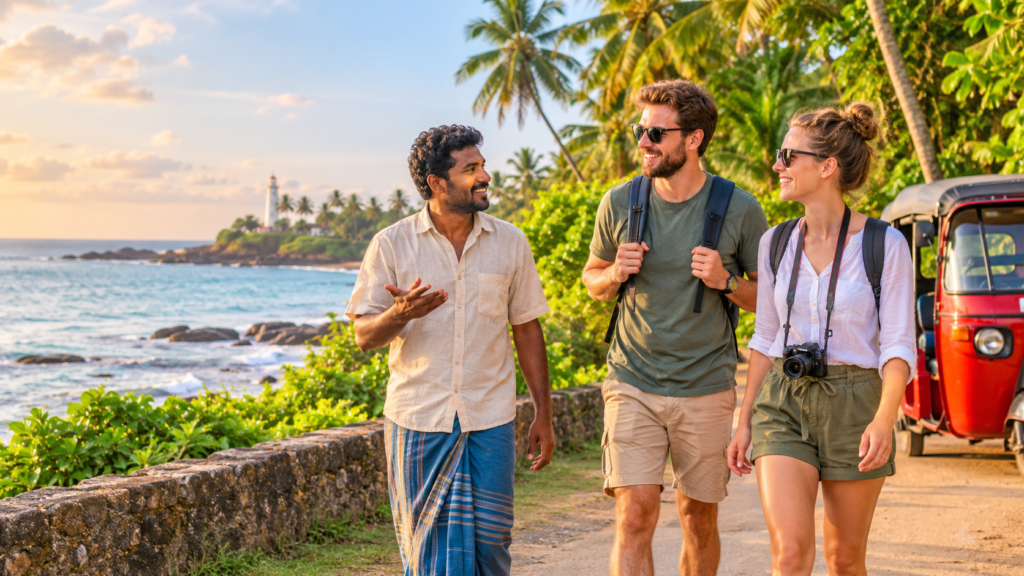
Sri Lanka is a popular destination for its beaches, wildlife, temples and hill-country scenery. Many visitors travel around the island without serious problems, but it’s sensible to plan for risks such as road accidents, petty theft, rough seas and sudden weather changes.
So, is Sri Lanka safe for tourists? It can be, provided you stay alert and check the latest local advice before and during your trip. As of 5 November 2026, the U.S. advises increased caution because of civil unrest, terrorism and landmines; Australia advises a high degree of caution due to demonstrations and security risks. Government advisories describe risks to consider, not a guarantee of what any individual traveler will experience.
Here are 15 practical things to know before you go.
- Check your government’s travel advice before departure
Travel advice can change, especially when protests, severe weather or transport disruptions occur. Check your own government’s current guidance shortly before departure, then keep an eye on local news and official notices while you’re there.
- Give demonstrations a wide berth
Protests can happen with little notice and disrupt roads or public transport. Avoid demonstrations and large political gatherings, and follow instructions from local authorities if conditions change.
- Take ordinary precautions with your belongings
Opportunistic theft, bag snatching and card fraud are reported. Keep valuables secure, carry only what you need, and use ATMs inside banks or hotels when possible. Keep your card in sight when paying, and check your account for unfamiliar transactions.
- Plan transport with road safety in mind
Road traffic can be unpredictable, and serious accidents occur. Take extra care after dark, and think carefully before renting a motorbike or tuk-tuk. If you hire a vehicle, check that it’s roadworthy and insured, and confirm what local permits you need.
- Choose taxis and tuk-tuks carefully
Use a reputable taxi app or a trusted local recommendation where possible. If you take a tuk-tuk, agree on the fare before setting off or check that the meter works. If the driver or vehicle makes you uncomfortable, choose another ride.
- Take extra care when travelling alone
Women travelers have reported verbal and physical harassment, including in crowded places and on public transport. Consider arranging late-night journeys through a reputable company, sharing your route with someone you trust, and leaving a situation if you feel uneasy.
- Keep an eye on your drink
Don’t accept drinks from strangers or leave yours unattended. If you drink alcohol, be aware that servings may be stronger than you expect.
- Check beach conditions before swimming
Some beaches have strong surf or rip currents at certain times of year. Ask your hotel or a local operator about conditions before swimming, and don’t enter the water if you’re unsure.
- Take weather alerts seriously
Heavy rain can cause flooding, landslides, road closures and transport delays. Check conditions along your route, follow local instructions, and don’t try to cross floodwater. The UK’s current advice notes heightened flood and landslide risk associated with heavy inter-monsoon rainfall.
- Stay on established paths in the north and east
Minefields and unexploded weapons remain in some areas, particularly in parts of the Northern and Eastern Provinces. Stay on well-used roads and tracks, and take warning signs seriously.
- Give wildlife plenty of space
Wild elephants and crocodiles can be dangerous, and snakes and other venomous animals are found in some areas. Keep a safe distance, don’t feed or approach wild animals, and follow an authorized guide’s instructions.
- Prepare for mosquito-borne illnesses
Dengue, chikungunya and Zika are among the health risks noted in official advice. Ask a travel-health professional about current recommendations before your trip, use insect repellent and cover up when mosquitoes are active.
- Get travel insurance that fits your plans
Medical care outside major cities may be limited, and private treatment or emergency evacuation can be expensive. Check that your insurance covers your planned activities and emergency medical care.
- Respect local customs and laws
At Buddhist temples, cover your shoulders and legs and remove your shoes and hat. Be respectful around religious images and sites. Drug offences carry severe penalties, and rules can differ from those at home, so check local requirements before you travel.
- Save useful emergency contacts
Keep your accommodation details, travel insurer’s emergency number and your country’s embassy or consulate information somewhere you can access offline. Sri Lanka Tourism’s 24-hour hotline is 1912. Australian travel advice lists 118 or 119 for police and 110 for fire and medical emergencies; check your own government’s guidance for contacts relevant to you.
So, is Sri Lanka safe for tourists?
Sri Lanka can be a rewarding place to visit, but no destination is risk-free. Before you go, check current travel advice, plan transport and swimming carefully, protect your belongings, and adjust your plans if local conditions change. With those precautions, you can make a more informed decision about your trip.
Leave a Reply