Sinharaja Forest Reserve, Sri Lanka | Rainforest Travel Guide
Sinharaja Forest Reserve is one of Sri Lanka’s most remarkable natural treasures. This lush tropical rainforest is famous for its extraordinary biodiversity, endemic birds, rare plants, flowing streams and dense green canopy. For nature lovers and adventurous travellers, it offers a very different experience from Sri Lanka’s beaches, ancient cities and wildlife safaris.
Recognised as a UNESCO World Heritage Site in 1988, Sinharaja protects an important area of tropical rainforest that is home to many species found nowhere else in the world. Walking beneath its towering trees with the sounds of insects, birds and running water around you is an unforgettable way to experience Sri Lanka’s natural environment.
However, visiting Sinharaja requires a little preparation. Rain, muddy trails, leeches and challenging terrain are all part of the rainforest experience. This guide explains what to expect, which entrance may suit your journey, how to prepare for a guided walk and how to explore the forest responsibly.
Where Is Sinharaja Forest Reserve?
Sinharaja Forest Reserve is in south-western Sri Lanka, within the island’s wet zone. The forest extends across parts of the Ratnapura, Galle and Matara districts, and there are several approaches to the reserve.
The most suitable entrance depends on where you are travelling from, the trail you want to explore and the arrangements available on the day. Kudawa, near Weddagala and Kalawana, is one commonly used approach, while the Deniyaya and Pitadeniya side is convenient for some visitors travelling from the southern coast.
Do not assume that every entrance offers the same trails or facilities. Confirm the exact entrance with your guide or accommodation provider before arranging transport.
Location: South-western Sri Lanka
Map: Find Sinharaja Forest Reserve on Google Maps
For background and conservation information, visit the UNESCO World Heritage listing for Sinharaja Forest Reserve and the Sri Lanka Tourism Development Authority’s tourist-attractions information.
Why Is Sinharaja Forest Reserve Special?
Sinharaja is internationally important because it protects a remarkable area of tropical rainforest and supports an exceptional concentration of endemic wildlife.
According to UNESCO, more than 60% of the trees recorded in the reserve are endemic, meaning they are native to the region and not naturally found elsewhere. The forest also supports many endemic birds, mammals, butterflies, reptiles, amphibians and insects.
Its importance goes beyond tourism. Sinharaja provides habitat for specialised rainforest species and helps protect the ecological processes that sustain this environment.
The reserve was recognised as a Biosphere Reserve in 1978 and became a UNESCO World Heritage Site in 1988. It is protected for its outstanding natural value and its role in conserving Sri Lanka’s unique biodiversity.
Read more in the official UNESCO description of Sinharaja Forest Reserve.
What Can You See in Sinharaja?
Sinharaja is especially rewarding for visitors who enjoy observing nature rather than rushing from one viewpoint to another. The forest is dense, and many animals are difficult to spot, so patience and a good guide can make a significant difference.
Endemic Birds
Birdwatching is one of the highlights of Sinharaja. The reserve is known for Sri Lankan endemic species, and visitors may have opportunities to observe birds such as the Sri Lanka blue magpie, Sri Lanka junglefowl and green-billed coucal.
Mixed-species bird flocks sometimes move through the forest together, making a guided walk particularly interesting for birdwatchers.
Bird activity and sightings vary with location, weather and time of day. Bring binoculars if you have them, and remember that seeing a particular species is never guaranteed.
Rare Plants and Towering Trees
The rainforest contains a wide variety of native and endemic plants, including tall trees, climbing plants, ferns, mosses and other vegetation adapted to the humid environment.
The dense canopy creates a cool, shaded atmosphere in many places, while sunlight filters through gaps in the leaves. A guide can help identify interesting plant species and explain how they contribute to the rainforest ecosystem.
Mammals and Other Wildlife
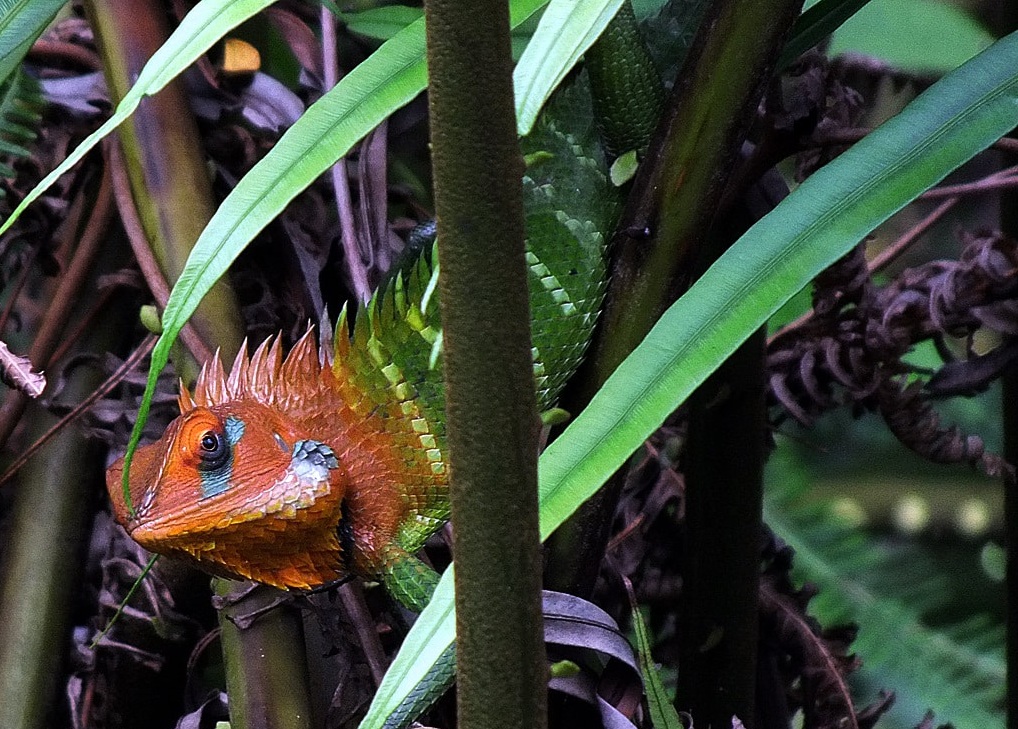
Sinharaja supports mammals, reptiles, amphibians, butterflies and numerous smaller creatures. Some animals are elusive and may remain hidden in the vegetation.
Visitors should not expect a wildlife encounter on demand. The main attraction is the rainforest ecosystem itself, including its plants, sounds, streams and smaller details that are easy to miss without slowing down.
Streams and Waterfalls
Small streams and water features add to the beauty of the forest. Depending on the entrance, trail and weather conditions, your walk may include streams or waterfall areas.
Water levels and trail conditions can change after heavy rain. Never enter fast-flowing water or cross a stream unless your guide confirms that it is safe.
Guided Walks Through the Rainforest
Exploring Sinharaja on foot is one of the best ways to appreciate its biodiversity. Guided walks can help visitors understand the forest, identify wildlife and learn about conservation.
Before starting your walk, discuss your preferences and fitness level with your guide. Not every route is suitable for every visitor, and a short nature walk can be just as rewarding as a longer hike.
Ask your guide or the relevant entrance office about:
- The expected duration and distance of the walk.
- How steep, slippery or muddy the trail may be.
- Whether the route includes streams, waterfalls or uneven steps.
- The likelihood of rain and the current trail conditions.
- The guide fee and exactly what is included.
- Any restrictions, closures or safety instructions.
Use an authorised entrance and follow the current requirements for entry and guiding. Do not assume that rules, guide availability or prices are identical at every access point.
A good guide can enrich your visit by explaining the forest’s ecology and helping you notice details that might otherwise go unseen.
Which Entrance Should You Choose?
Sinharaja has several approaches, and choosing the right one can save time and make your visit more comfortable.
Kudawa Entrance: Near Weddagala and Kalawana
The Kudawa approach is commonly used by visitors travelling from the Ratnapura and Kalawana side. It may be a convenient choice for travellers coming from Colombo or exploring the western and northern approaches to the reserve.
Check your route carefully, because the final journey can take longer than expected on smaller roads. Confirm the entrance, meeting point and guide arrangements before departure.
Pitadeniya Entrance: Near Deniyaya
The Pitadeniya approach is useful for some visitors travelling from Deniyaya and the southern part of Sri Lanka. It may fit naturally into an itinerary that includes the southern coast.
The access road, available facilities and trail options may differ from those at Kudawa. Ask your accommodation provider or guide to confirm the precise route and current conditions.
How to Decide
Choose the entrance based on your starting point, intended trail and available transport rather than assuming one entrance is always the best.
If you are travelling from Galle, Mirissa or another southern-coast destination, ask about the Deniyaya/Pitadeniya side. If you are approaching from Ratnapura, Kalawana or parts of the Colombo route, ask whether Kudawa is more practical.
These are general planning suggestions, not guarantees of the fastest route. Check a current map and confirm the entrance directly before booking.
What Is the Best Time to Visit Sinharaja?
Sinharaja is a rainforest, so rain is possible throughout the year. There is no completely dry season in which you can rely on perfect weather.
The south-west monsoon generally brings wetter conditions around May to July, while another period of rainfall commonly occurs around November to January. Local weather can vary, and showers may occur outside these periods.
Visiting During Wetter Months
Rain can make the forest feel especially lush, with wet foliage, streams and a strong rainforest atmosphere. However, trails may become slippery, leeches can be more noticeable, and heavy rainfall may affect the routes that guides are willing or permitted to use.
If you plan to visit during a wet period, allow flexibility in your itinerary and check local conditions before travelling.
Visiting During Relatively Drier Periods
Relatively drier weather can make walking more comfortable, but it does not guarantee dry trails or clear skies. Leeches may still be present, and wildlife sightings remain unpredictable.
What Time of Day Should You Go?
An early start can give you more time to explore before afternoon weather changes. It can also be useful for birdwatching, although sightings depend on natural conditions.
Confirm the current entrance opening hours and your guide meeting time in advance. Do not arrive late expecting to complete a long trail before closing.
Leeches and Rainforest Conditions: How to Prepare
Leeches are a normal part of a humid rainforest environment and can be more noticeable in wet conditions. They are usually manageable if you prepare properly.
For a more comfortable walk:
- Wear long trousers and a long-sleeved top.
- Use leech socks or other suitable protective coverings.
- Wear sturdy shoes with good grip.
- Carry a lightweight rain jacket or waterproof outer layer.
- Keep your clothing secured around your ankles and avoid loose gaps where possible.
- Check your shoes and clothing periodically during the walk.
- Follow your guide’s advice if you notice leeches.
Avoid relying on a single repellent or home remedy as a guaranteed solution. Ask your guide about locally appropriate precautions.
If a leech attaches, remain calm and follow appropriate first-aid advice. Avoid pulling forcefully or applying harsh chemicals to your skin. If bleeding persists or you develop signs of infection, seek medical advice.
The aim is not to eliminate every inconvenience but to prepare so you can enjoy the rainforest safely.
How Difficult Is the Sinharaja Forest Walk?
The difficulty depends on the entrance and route you choose. Some walks may be relatively short, while longer routes can involve steep sections, slippery ground, uneven surfaces and stream crossings.
You do not need to be an experienced hiker to enjoy every part of Sinharaja, but you should choose a route that matches your fitness and mobility.
Before setting out, tell your guide if you have limited walking experience, knee problems or difficulty with uneven ground. Ask whether there are shorter alternatives and how long you should expect to be walking.
Wear shoes that can handle mud and wet surfaces. Sandals and smooth-soled footwear are generally poor choices for slippery rainforest trails.
Never continue onto a difficult section simply because it is part of a planned route. Weather and ground conditions can change, and turning back may be the sensible option.
Is Sinharaja Suitable for Families with Children?
Sinharaja can be an educational outdoor experience for families whose children enjoy nature and walking. They may be fascinated by the birds, insects, giant trees, streams and sounds of the rainforest.
However, the reserve is not a conventional park with easy paths throughout. Some routes can be slippery, steep or tiring, particularly after rain.
For a family visit:
- Choose a short, suitable route in consultation with your guide.
- Check the trail conditions before travelling.
- Bring drinking water, snacks and rain protection.
- Keep children close to an adult and follow the guide’s instructions.
- Avoid touching unfamiliar plants, insects, frogs or other animals.
- Do not enter streams or climb onto slippery rocks without permission.
- Be prepared to shorten the walk if children become tired or the weather deteriorates.
Families with very young children or anyone who has difficulty walking should confirm the terrain and available facilities before deciding to visit.
Entrance Fees, Permits and Guides
Admission charges, permit requirements, guide fees and opening arrangements can change. They may also differ according to the entrance and the services you choose.
Rather than relying on an old price quoted in a travel blog, confirm the current fees directly with the relevant official entrance or Forest Department office before your trip.
Check whether the quoted amount covers only entry or also includes a guide, transport, parking or other services. If you are travelling with a group, ask whether the guide fee is shared or charged per person.
You can start with the UNESCO Sinharaja listing for conservation background and the Sri Lanka Tourism Development Authority’s attractions information for general visitor context. For operational details such as current entrance rules and fees, confirm directly with the relevant Forest Department entrance office.
How to Get to Sinharaja Forest Reserve
Sinharaja is not a single roadside attraction. The route depends on the entrance you plan to use, so confirm the destination with your driver or guide before setting off.
From Colombo
Travellers from Colombo generally need to allow several hours for the road journey, depending on the selected entrance, traffic and road conditions. Start early if you plan to complete a rainforest walk on the same day.
For a comfortable visit, consider staying overnight near your chosen entrance rather than combining a long drive with a demanding hike.
From Galle or the Southern Coast
Visitors travelling from Galle, Mirissa or nearby coastal destinations may find the Deniyaya/Pitadeniya approach more convenient for their itinerary. Travel time depends on the exact starting point and road conditions.
Check the final access route in advance, especially if you are travelling in a standard car and have not visited the area before.
By Private Driver or Taxi
A private driver can make the journey easier, particularly when the entrance is some distance from your accommodation. Give the driver the exact entrance name and meeting point rather than simply asking for Sinharaja.
If you are arranging a return journey, confirm the pickup time and mobile reception arrangements before entering the forest.
By Public Transport
Public transport may be possible through towns serving the relevant entrance, but you may still need local transport for the final section. Timetables and connections can vary.
Check current services before travelling, and avoid planning a long forest walk around a tight bus connection.
Where to Stay Near Sinharaja
Accommodation options in the surrounding villages include guesthouses, small hotels and nature-oriented stays. Choosing accommodation near your intended entrance can reduce travel time and make an early start easier.
Before booking, ask the property:
- Which entrance it is closest to.
- How long the transfer to the entrance takes.
- Whether it can help arrange an authorised guide.
- Whether transport is available early in the morning.
- What meals and other facilities are provided.
- Whether the access road is suitable for your vehicle.
Read recent guest reviews and check the exact location. A property advertised as being near Sinharaja may still be some distance from the entrance you plan to use.
What Should You Bring?
Packing for a rainforest walk is different from preparing for a beach visit.
Recommended essentials:
- Comfortable walking clothes that cover your arms and legs.
- Sturdy shoes with good grip.
- Leech socks or suitable protective coverings.
- A lightweight rain jacket or waterproof outer layer.
- Drinking water and suitable snacks.
- Insect protection appropriate for your needs.
- A small first-aid kit and any personal medication.
- A waterproof bag or cover for your phone and camera.
- Binoculars if you enjoy birdwatching.
- A small bag for carrying your rubbish back out.
Keep your belongings light enough to carry comfortably. Do not bring unnecessary single-use plastic or leave food wrappers in the forest.
Responsible Tourism in Sinharaja
Sinharaja is a protected ecosystem, not simply a scenic backdrop for photographs. Visitors can help conserve it by following the rules and minimising their impact.
During your visit:
- Stay on authorised trails and follow your guide’s instructions.
- Do not remove plants, seeds, insects, feathers or other natural materials.
- Never feed or deliberately disturb wildlife.
- Avoid loud noises that can disrupt animals and other visitors.
- Take all rubbish out of the forest.
- Do not carve names into trees or damage vegetation.
- Avoid using flash or approaching wildlife too closely for photographs.
- Respect restrictions on access, swimming and stream crossings.
- Follow official instructions if trails are closed or weather conditions become unsafe.
A responsible visit also means accepting that wildlife may remain hidden. The rainforest’s value is not measured by how many animals you photograph, but by the living ecosystem it protects.
Is Sinharaja Forest Reserve Worth Visiting?
Sinharaja is an excellent destination for travellers who appreciate nature, biodiversity, birdwatching and walking through a genuine tropical rainforest. It offers a different experience from Sri Lanka’s cultural landmarks and open landscapes.
The visit can be especially rewarding when you have time to walk slowly, listen to the forest and learn from a knowledgeable guide. The dense vegetation, humid conditions, muddy trails and leeches may be challenging for some visitors, but they are also part of understanding this environment.
If you prefer easy paths, predictable weather or guaranteed wildlife sightings, consider your expectations carefully before booking. Choose a route that suits your fitness level and allow enough time to travel without rushing.
For nature enthusiasts, Sinharaja offers a valuable opportunity to experience one of Sri Lanka’s most important conservation areas and learn why protecting its rainforest matters.
Frequently Asked Questions
1. Why is Sinharaja Forest Reserve famous?
Sinharaja is famous for its tropical rainforest, exceptional biodiversity and endemic species. It was designated a UNESCO World Heritage Site in 1988.
2. Where is Sinharaja Forest Reserve located?
It is in south-western Sri Lanka, extending across parts of the Ratnapura, Galle and Matara districts. There are several approaches to the reserve, including Kudawa and the Deniyaya/Pitadeniya side.
3. What is the best time to visit Sinharaja?
You can visit throughout the year, but rainfall affects trail conditions. Relatively drier weather may make walking more comfortable, while wetter periods can mean more mud and leeches. Check the local forecast and entrance conditions before travelling.
4. Are leeches common in Sinharaja?
Yes. Leeches are part of the humid rainforest environment, particularly in wet conditions. Long clothing, suitable footwear and leech socks can help reduce discomfort.
5. Do I need a guide?
Confirm the current entry and guiding requirements with the relevant entrance office before visiting. A knowledgeable authorised guide is strongly recommended because the trails, wildlife and terrain can be difficult to navigate independently.
6. How long should I spend in Sinharaja?
The duration depends on your chosen route. Short walks may take a few hours, while longer hikes can take much of the day. Ask your guide about the expected duration and difficulty before starting.
7. Can I see rare birds and animals?
You may see endemic birds and other wildlife, but sightings depend on natural conditions and cannot be guaranteed. Binoculars and a knowledgeable guide can improve your chances of noticing wildlife.
8. Is Sinharaja suitable for children?
It can be suitable for families who choose a manageable route, but trails may be muddy, steep and slippery. Confirm the route and conditions before bringing young children.
9. How much is the entrance fee?
Fees and guide charges can change. Contact the relevant entrance office or Forest Department representative to confirm current prices before travelling.
10. Which entrance should I use?
Kudawa may suit visitors approaching from the Ratnapura/Kalawana side, while the Deniyaya/Pitadeniya approach may be convenient for some southern-coast itineraries. Confirm your precise entrance and trail with your guide before booking transport.
Plan Your Visit to Sinharaja Forest Reserve
A visit to Sinharaja is an opportunity to experience the richness of Sri Lanka’s rainforest and learn about the wildlife and plants that depend on it. Plan your entrance, choose a suitable walking route, prepare for rain and leeches, and follow the guidance of authorised staff.
For further reading, explore the official UNESCO World Heritage listing for Sinharaja and the Sri Lanka Tourism Development Authority’s tourist-attractions information.