Pinnawala Elephant Orphanage, Sri Lanka | Visitor Guide
Pinnawala Elephant Orphanage is one of Sri Lanka’s best-known wildlife attractions, offering visitors an opportunity to observe Asian elephants in a managed care environment. Located near Rambukkana in the Kegalle District, it is a popular stop for travellers journeying between Colombo and Kandy.
Established in 1975, Pinnawala was created to care for orphaned and vulnerable elephants. Today, visitors can learn about elephant care, observe the herd’s daily routines and, depending on the day’s programme, watch elephants heading towards the nearby Ma Oya River.
If you are planning a visit, this guide covers what to expect, when to go, entrance fees, transport, visitor safety and important animal-welfare considerations.
Where Is Pinnawala Elephant Orphanage?
Pinnawala Elephant Orphanage is located in Pinnawala, close to Rambukkana, in Sri Lanka’s Sabaragamuwa Province. Its location makes it a convenient stop on a road trip between Colombo and Kandy.
The attraction is often visited as part of a wider journey through central Sri Lanka. Travellers can combine it with nearby attractions or include it in an itinerary that continues towards Kandy.
Location: Pinnawala, Rambukkana, Sri Lanka
Map: Find Pinnawala Elephant Orphanage on Google Maps
For official visitor information, check the Sri Lanka National Zoological Gardens website.
What Is Pinnawala Elephant Orphanage?
Pinnawala Elephant Orphanage was established on 16 February 1975 to care for orphaned, injured and abandoned elephants. It began with five elephant calves and later developed a captive-breeding programme.
The institution provides food, veterinary care and managed living areas for elephants under human care. It is also a tourist attraction where visitors can learn about elephant behaviour and the challenges involved in caring for these large animals.
It is important to understand that Pinnawala is not a national park or a wild elephant safari. The elephants live in a managed setting, and the experience is different from seeing wild elephants in their natural habitat.
The Famous Elephant Bathing Experience
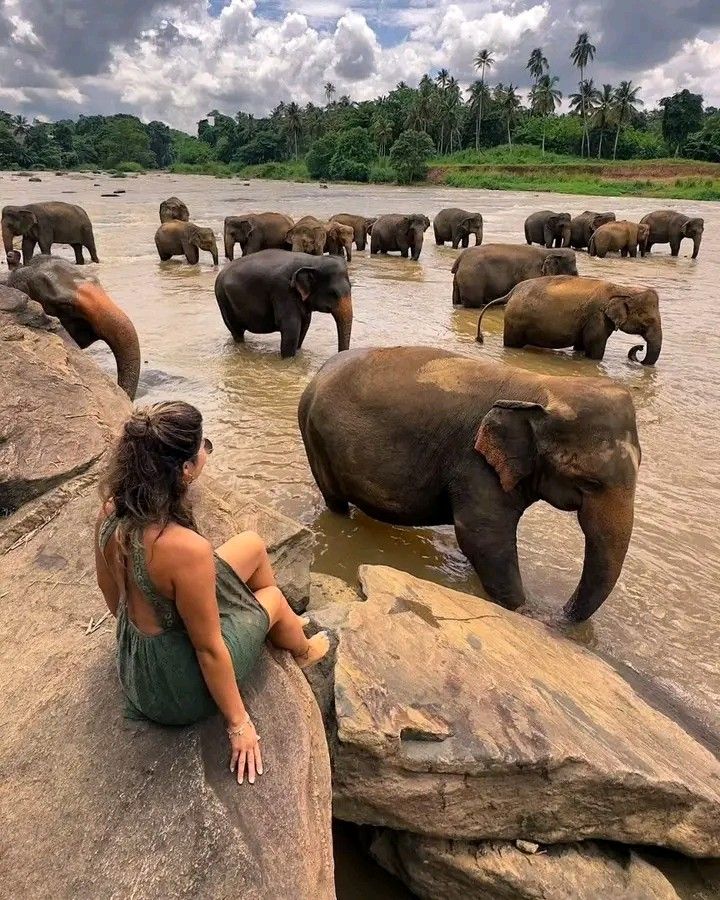
One of Pinnawala’s best-known sights is the movement of elephants towards the Ma Oya River. Depending on the daily programme and conditions, visitors may be able to observe elephants walking together and entering the water.
Watching elephants at the river can be memorable, particularly for visitors who have never seen these animals at close range. However, river activities and viewing opportunities can change because of weather, water conditions, animal-care requirements and operational decisions.
Follow instructions from staff, remain in permitted viewing areas and never approach or touch an elephant unless an activity is officially authorised and supervised.
Remember that observing elephants in a managed setting is different from encountering wild elephants. Visitors should respect the animals’ space and avoid encouraging behaviour that could cause them stress.
Elephant Feeding and Other Activities
Pinnawala may offer paid activities such as feeding or other supervised elephant interactions. Availability, prices, operating times and participation rules can change, so check the official information before making plans.
Official information about visitor activities is available on the Pinnawala Elephant Orphanage website.
Before paying for any activity, confirm that it is officially authorised. Avoid unsolicited offers from people claiming to represent the facility, and do not feed elephants with food you have brought yourself.
Keep a safe distance from the animals and follow all instructions from staff. An elephant is a powerful wild animal, even when it has been raised or cared for by people.
A Note About Animal Welfare
Pinnawala’s role in elephant care and captive breeding has attracted visitors from around the world. At the same time, keeping elephants in captivity and offering close-up visitor experiences raise important animal-welfare questions.
Travellers may wish to consider how elephants are housed, how interactions are managed and whether activities allow animals to behave naturally. Opinions about captive elephant attractions differ, and visitors should make an informed decision that reflects their own approach to wildlife tourism.
During your visit, do not support unauthorised handling, riding, feeding or other activities that may distress the animals. Observe from designated areas, follow the facility’s rules and avoid any interaction that appears unsafe or coercive.
For visitors who prefer to see elephants in a more natural environment, a national park may be a better fit.
Pinnawala Is Not a Wild Elephant Safari
Although both experiences involve elephants, Pinnawala and Sri Lanka’s national parks offer different kinds of wildlife encounters.
At Pinnawala, visitors observe elephants living under managed care and may see scheduled daily activities. In a national park, elephants roam in a natural habitat, and sightings depend on the animals’ movements and the conditions on the day.
If your main aim is to see wild elephants, consider visiting Udawalawe National Park. A safari there can offer opportunities to observe elephants in the wild, but sightings and distances cannot be guaranteed.
Choose the experience that best matches your interests, available time and wildlife-tourism preferences.
Opening Hours and the Best Time to Visit
Pinnawala is generally listed as opening in the morning, around 8:30 AM. The official facility website publishes a daily schedule showing elephant movements, feeding activities and trips to the river. These timings are subject to change, and not every activity is guaranteed on every visit.
The official information has shown different closing times in different sections. The ticket counter may also close before the end of the visitor day. Check the latest details before setting off, especially if you want to see a particular activity.
- For a morning visit: Arriving early gives you more time to explore and may help you avoid the busiest periods.
- For elephant viewing: Check the official daily programme before choosing your arrival time. River activities can change due to weather and safety conditions.
- For a quieter experience: If your schedule allows, consider visiting on a weekday, while remembering that visitor numbers vary throughout the year.
- For families and road trips: Allow enough time to reach the attraction, explore at a relaxed pace and continue your journey without rushing.
Allow approximately two to three hours for a typical visit, depending on your interests, visitor numbers and which activities are operating.
For the most reliable information, check the official Pinnawala visitor information and the official online ticket reservation service before travelling.
Entrance Fees and Tickets
Admission fees depend on visitor category, and prices can change. The official facility website currently publishes the following standard admission rates. Treat these as a guide and verify the applicable price before your visit.
| Visitor category | Published admission price |
|---|---|
| Sri Lankan adult | LKR 295 |
| Sri Lankan child | LKR 118 |
| Foreign adult | US$17.70 |
| Foreign child | US$8.85 |
| SAARC adult rate | US$11.80 |
| SAARC child rate | US$5.90 |
The official website also lists combined tickets for Pinnawala Elephant Orphanage and Pinnawala Zoo. Additional charges may apply to special activities.
These prices are not a guarantee of the amount you will pay on the day. Eligibility rules, age categories, activity fees and ticket conditions should be checked directly with the operator.
Before visiting:
- Check the official Pinnawala Elephant Orphanage website for current admission information.
- Use the official e-ticket reservation service to check online ticket options.
- Confirm the cost of any extra activity separately from the entrance ticket.
How to Get to Pinnawala Elephant Orphanage
By car or taxi
Travelling by car or taxi is one of the easiest ways to reach Pinnawala, particularly if you are visiting from Colombo or Kandy. The attraction is close to the Colombo–Kandy road corridor, making it a practical stop during a longer journey.
Journey times depend on traffic, roadworks and your starting point. Check a navigation app before departure and allow extra time if you plan to visit other attractions along the way.
By train
Rambukkana is the nearest railway station commonly used by visitors travelling to Pinnawala. From the station, you will need local transport to reach the attraction.
Check current railway timetables before travelling, and arrange onward transport if you are unfamiliar with the area.
As part of a private tour
Some Sri Lanka itineraries include Pinnawala as a stop between Colombo and Kandy. If you are booking a driver or organised tour, confirm how long you will have at the attraction and whether entrance tickets are included in the quoted price.
Is Pinnawala Suitable for Families with Children?
Pinnawala can be an interesting stop for families who want to introduce children to elephants and learn about animal care. Seeing such large animals at close range can make the visit memorable.
However, children should be supervised at all times. Elephants are powerful animals, and even apparently calm behaviour can change unexpectedly.
For a safer and more enjoyable visit:
- Keep children close to an accompanying adult.
- Stay behind barriers and within authorised visitor areas.
- Do not shout at, tease, touch or feed elephants without official permission.
- Follow staff instructions and keep a safe distance from the animals.
- Bring drinking water, sun protection and suitable footwear.
- Explain to children why it is important to respect wildlife and avoid disturbing animals.
If a child is uncomfortable around large animals or crowds, watch from a suitable distance and do not pressure them to take part in close-up activities.
Nearby Attractions to Consider
If you have extra time, you can combine Pinnawala with other attractions in the surrounding region or continue towards Kandy.
Pinnawala Open Zoo
The nearby Pinnawala Zoo is a separate attraction managed by the Department of National Zoological Gardens. Check ticket options and opening details if you plan to visit both places.
Kandy and the Temple of the Tooth
Kandy is a popular destination for visitors interested in Sri Lankan culture, history and religious heritage. The Temple of the Tooth in Kandy is one of the city’s best-known attractions.
Kadugannawa
Kadugannawa lies along the route towards Kandy and may be worth considering if you are interested in the surrounding hills and scenic road journey. Check the route and available stops when planning your day.
Kitulgala
For travellers continuing towards the wet-zone landscapes of Sri Lanka, Kitulgala is known for its river scenery and outdoor activities. You can read our guide to white-water rafting in Kitulgala.
Udawalawe National Park
Udawalawe is much farther away and is not a nearby stop for a short Pinnawala visit. It may suit travellers planning a separate wildlife-safari itinerary focused on seeing elephants in the wild.
Choose your stops according to your route and available time rather than trying to fit every attraction into a single day.
What Should You Bring?
A little preparation can make your visit more comfortable.
- Comfortable footwear: Wear shoes suitable for walking around the visitor areas.
- Drinking water: Stay hydrated, especially on hot days.
- Sun protection: Bring a hat, sunscreen and sunglasses.
- Camera or phone: Bring a camera if you want to take photographs, but follow all photography restrictions and staff instructions.
- Light clothing: Sri Lanka can be hot and humid, so comfortable clothing is useful.
- Rain protection: A compact umbrella or rain jacket can be helpful during wet weather.
- Cash or a payment option: Confirm accepted payment methods before travelling, especially if you intend to purchase additional activities.
Avoid carrying unnecessary items, and keep valuables secure in crowded areas.
Is Pinnawala Elephant Orphanage Worth Visiting?
Pinnawala can be worthwhile for travellers interested in learning about elephants under managed care and seeing their daily routines at close range. Its location also makes it convenient for some journeys between Colombo and Kandy.
However, it is not the same as seeing elephants in the wild, and visitors may have different views about captive wildlife attractions. Consider the facility’s animal-welfare practices, the type of experience you want and the activities available during your visit.
If you decide to go, plan ahead, verify the current schedule and fees, follow the rules and observe the elephants respectfully. If your priority is seeing wild elephants in their natural habitat, consider a national park such as Udawalawe instead.
Frequently Asked Questions
1. Where is Pinnawala Elephant Orphanage located?
It is located in Pinnawala near Rambukkana in Sri Lanka’s Kegalle District, along the general route between Colombo and Kandy.
2. What are Pinnawala Elephant Orphanage’s opening hours?
The facility is generally listed as opening around 8:30 AM. Published closing times differ across official website sections, and the ticket counter may close earlier. Check the official visitor information before your trip.
3. What is the best time to visit Pinnawala?
Arriving in the morning gives you time to explore and may allow you to observe some of the scheduled elephant activities. Check the official daily programme because timings and activities can change.
4. How long should I spend at Pinnawala?
Allow around two to three hours for a typical visit. Your actual visit may be shorter or longer depending on visitor numbers and which activities are available.
5. How much does admission cost?
The published standard rates include US$17.70 for a foreign adult and US$8.85 for a foreign child. Rates may change, so verify the current price and eligibility requirements on the official website.
6. Can visitors feed or bathe elephants?
The facility publishes information about certain paid activities, but availability, fees, times and participation rules may change. Check directly with the official facility before planning around an activity, and follow all animal-welfare and safety instructions.
7. Is Pinnawala the same as a wildlife safari?
No. Pinnawala is a managed elephant-care facility. A safari in a national park offers the possibility of seeing wild elephants in their natural habitat, although sightings cannot be guaranteed.
8. Can I buy tickets online?
The Department of National Zoological Gardens operates an official e-ticket reservation service. Check the website for current ticket options and reservation instructions.
9. Is Pinnawala suitable for young children?
It can be an educational family visit, but children must be supervised closely and kept within authorised viewing areas. Do not allow children to approach or touch elephants without explicit official permission.
Plan Your Visit to Pinnawala
Pinnawala Elephant Orphanage is a well-known stop for travellers exploring Sri Lanka. With a little planning, visitors can learn about elephant care, observe the herd and decide whether the experience fits their travel interests.
Before leaving, confirm the latest opening information, ticket prices and activity schedule through the official Pinnawala Elephant Orphanage website or the official e-ticket service.
Travel responsibly, follow the facility’s rules and respect the animals throughout your visit.